September 24, 2026
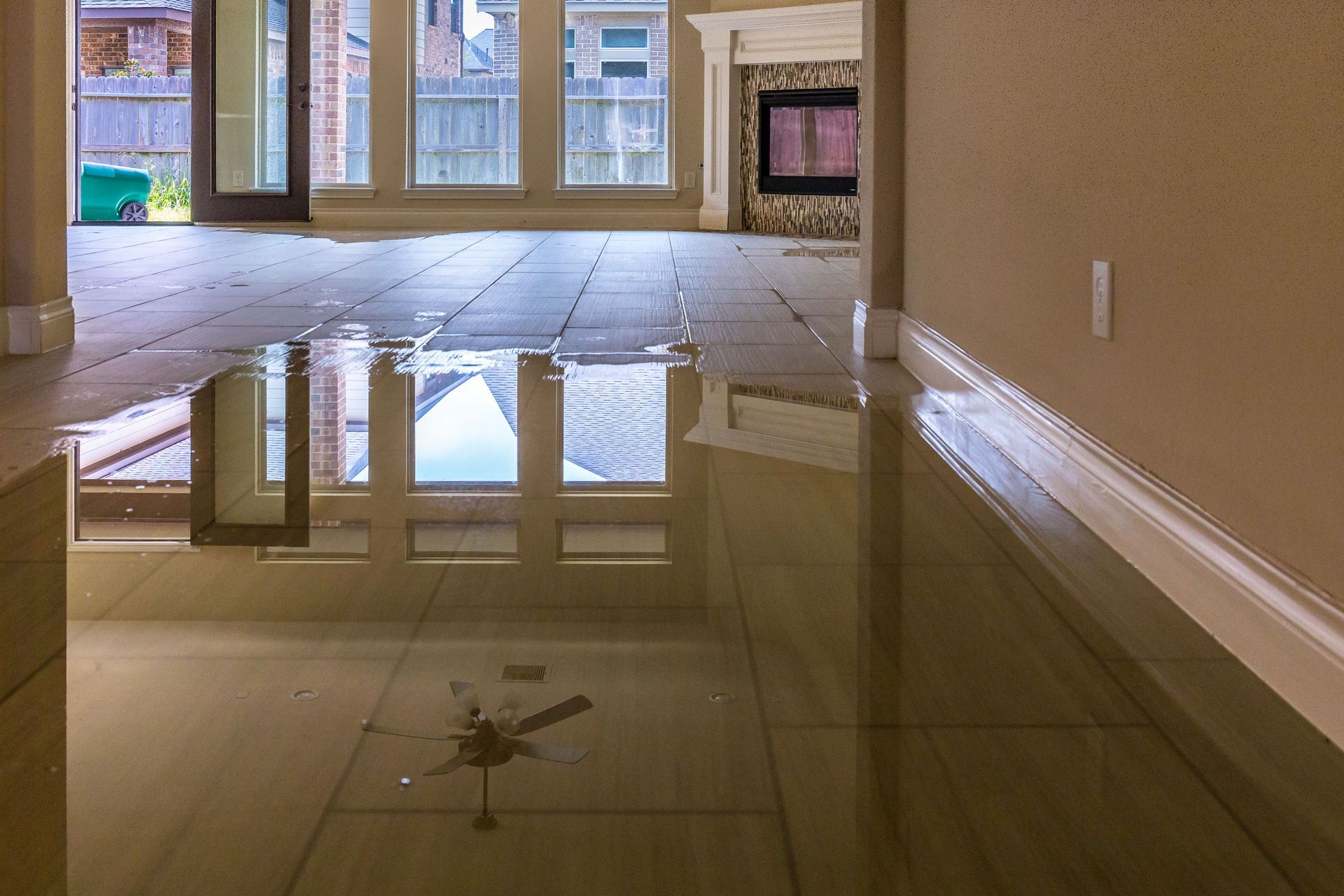
Uncontrolled water entering a property can transform a peaceful home or commercial building into a chaotic environment in a matter of moments. Whether caused by sudden torrential rainfall, overflowing riverbanks, broken municipal mains, or severe plumbing failures, flooding introduces widespread destruction that extends far beyond visible standing water. Property owners often focus on the immediate inconvenience of liquid pooling on floors, but the primary threats typically lurk beneath surface materials, inside walls, and within structural cavities. When excessive moisture saturates building components, it initiates a rapid chain reaction of deterioration that worsens with every passing hour. Understanding these concealed hazards is essential for taking effective action before permanent harm occurs to your building framework.
Addressing flood issues promptly requires specialized equipment, technical expertise, and a comprehensive remediation plan tailored to the specific category of moisture involved. Attempting to manage major saturation events without professional assistance frequently leads to incomplete drying, hidden decay, and ongoing safety risks for occupants. Securing a professional water damage service immediately after an intrusion ensures that moisture is systematically extracted from deep within porous materials. By acting quickly and engaging expert support, property owners can protect structural investments, preserve healthy indoor environments, and prevent minor flooding incidents from escalating into catastrophic structural failures.
Accelerating Structural Deterioration
When floodwaters penetrate a building, structural elements immediately absorb moisture, leading to rapid weakening of essential support components. Wooden framing, subflooring, joists, and wall studs act like sponges, pulling liquid deep into their organic fibers. As wood absorbs excessive water, it swells, warps, and loses structural integrity, which can cause floors to sag, walls to bow, and ceilings to buckle under stress. According to Ruby Home, 14,000 individuals experience water issues each day across residential and commercial properties. This staggering statistic underscores how widespread liquid intrusions are nationwide.
Concrete foundations and masonry structures are also vulnerable to prolonged liquid exposure. Water seeped into foundation footings can create hydrostatic pressure, forcing cracks open and compromising the foundational stability of the entire building. Metallic fasteners, support brackets, and structural connectors begin to oxidize when exposed to high humidity and standing liquid, weakening the internal skeleton of the property. Delaying mitigation allows saturation to spread deeper into load-bearing assemblies, making eventual reconstruction far more extensive. Utilizing an experienced water damage service early in the emergency helps extract trapped moisture before structural framing suffers permanent, irreversible degradation.
Promoting Hazardous Fungal Growth
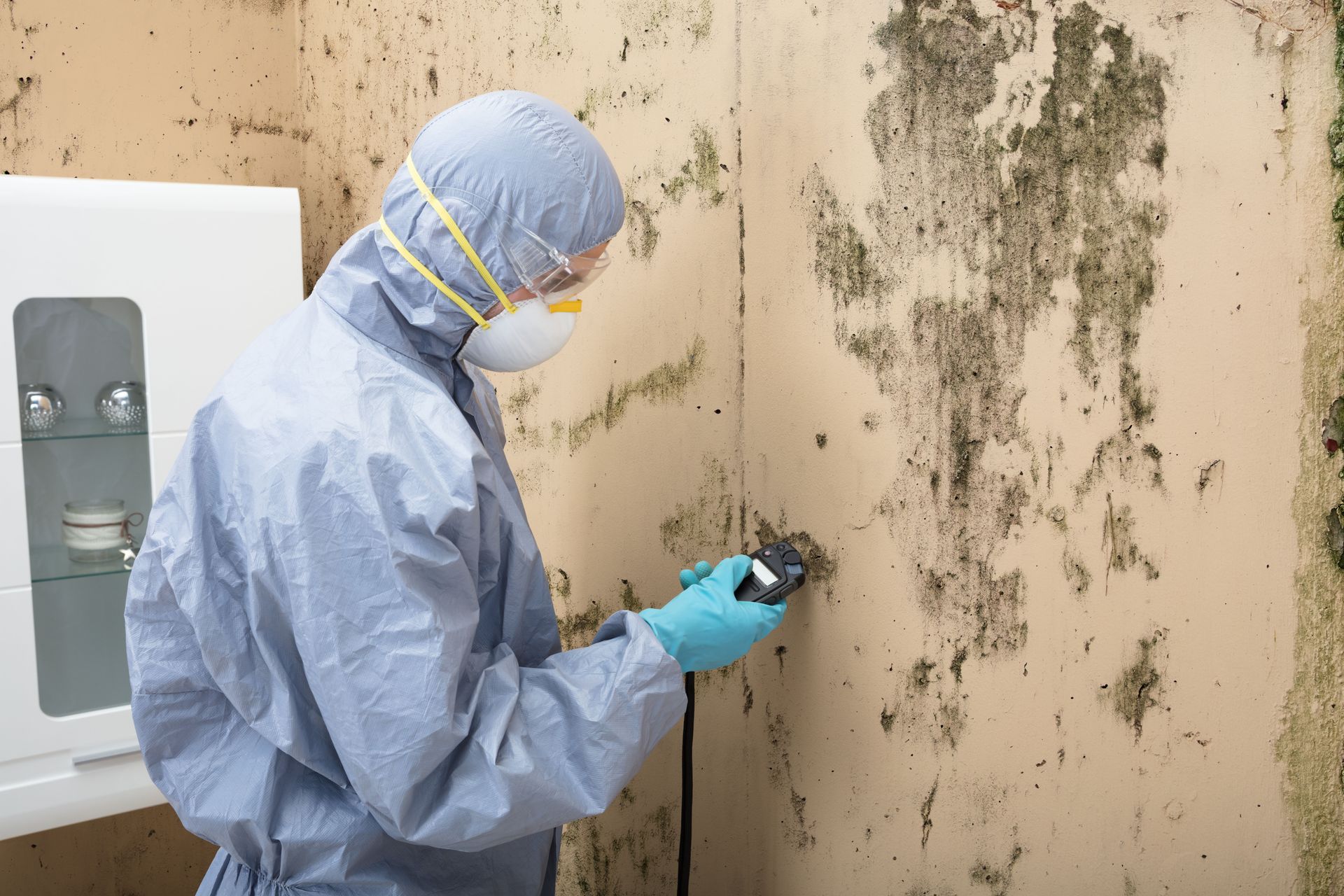
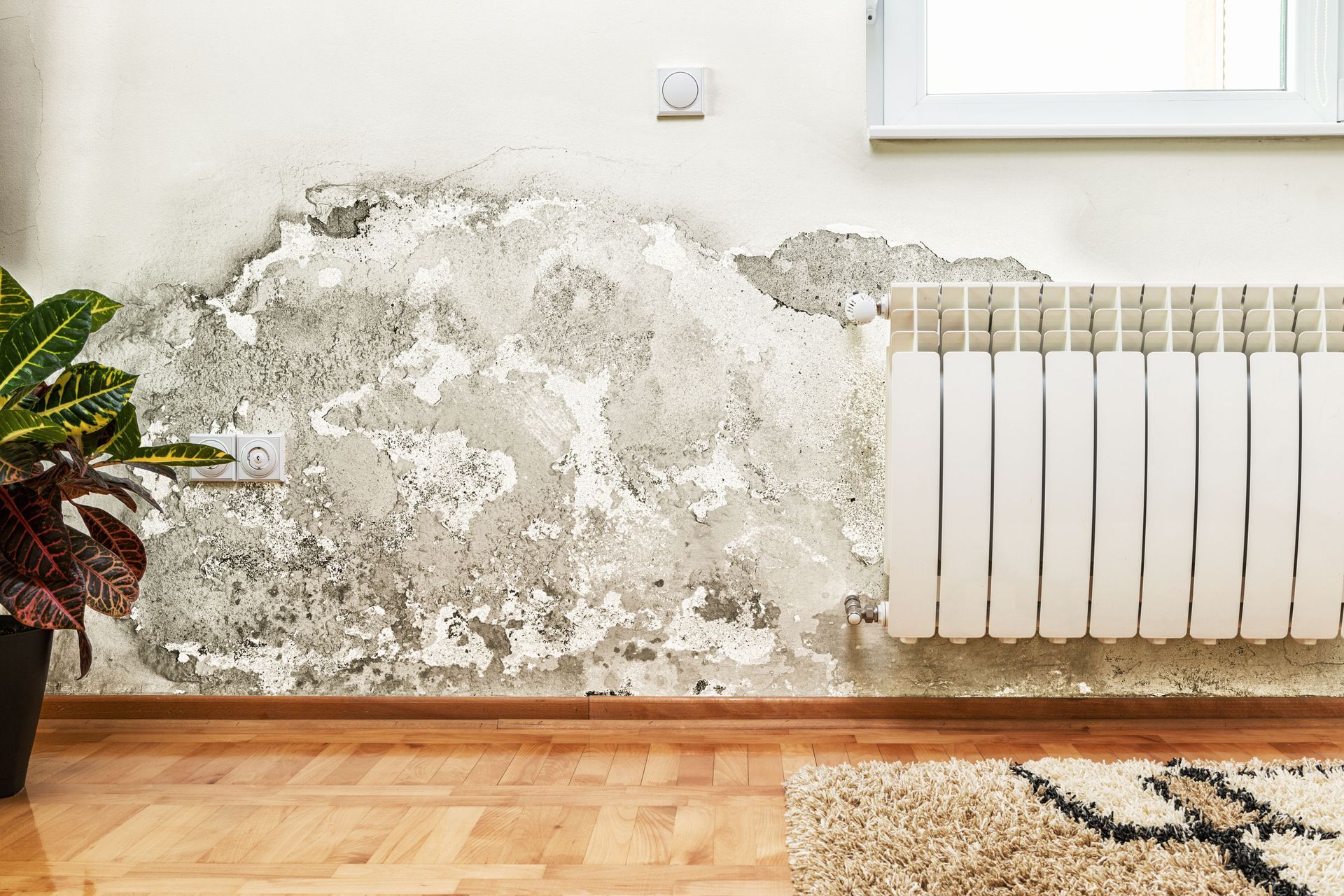
Extensive moisture intrusion creates an ideal environment for biological growth, particularly harmful mold spores that thrive in damp, dark environments. Airborne fungal spores are naturally present in surrounding environments, but they remain dormant until supplied with organic food sources and elevated humidity levels. Soaked drywall, carpet padding, ceiling tiles, and wooden paneling provide abundant nourishment for rapid fungal colonization. Once colonies establish themselves, they spread rapidly through wall cavities, ventilation ducts, and hidden floor voids, releasing microtoxins and allergens into the indoor atmosphere.
Fungal infestations weaken building materials by decomposing organic matter, causing drywall to crumble and wood to rot from within. In addition to physical building degradation, active fungal growth releases unpleasant, persistent odors that indicate deeply embedded contamination. Simply wiping down surface moisture or running standard household fans is insufficient to stop microbial proliferation, as moisture trapped inside wall cavities continues to feed fungal colonies out of sight. Engaging a qualified water damage service ensures that specialized dehumidification, structural drying, and containment procedures are deployed to halt biological growth before spores spread throughout the entire building structure.
Creating Severe Electrical Hazards
Water and electrical infrastructure form an extremely dangerous combination when flooding impacts a building. As rising water comes into contact with electrical outlets, baseboard wiring, breaker boxes, and submerged appliances, it creates severe shock risks for anyone entering the affected area. Moisture conducts electrical currents freely through standing pools, turning entire rooms into hazardous zones that threaten human safety. Even after standing water recedes, residual dampness inside electrical conduits can cause short circuits, arcing, and fires when power is restored.
Corrosion presents another ongoing threat to electrical components exposed to liquid intrusion. Minerals and impurities present in floodwaters deposit onto metallic contacts, switches, and wiring harnesses, causing rapid oxidation that degrades electrical pathways. Over time, corroded electrical components can malfunction, trip breakers repeatedly, or overheat without warning, posing long-term fire risks long after the initial flood event has passed. Professional technicians understand how to evaluate saturated electrical systems safely and work alongside licensed electricians to ensure power is restored safely. Contacting a reliable water damage service prevents occupants from exposing themselves to hidden electrical dangers while ensuring complete drying of utility pathways.
Exposing Interiors to Contaminants
Floodwaters are rarely clean; they typically carry a dangerous mix of chemical pollutants, biological pathogens, and debris collected as liquid flows across ground surfaces or through municipal drainage networks. Ground flooding often contains agricultural runoff, motor oil, industrial chemicals, fertilizers, and heavy metals that pose serious health risks to property occupants. When sewage backups or river overflows enter a building, the biohazard risk increases dramatically due to harmful bacteria, viruses, and parasites thriving within blackwater sources.
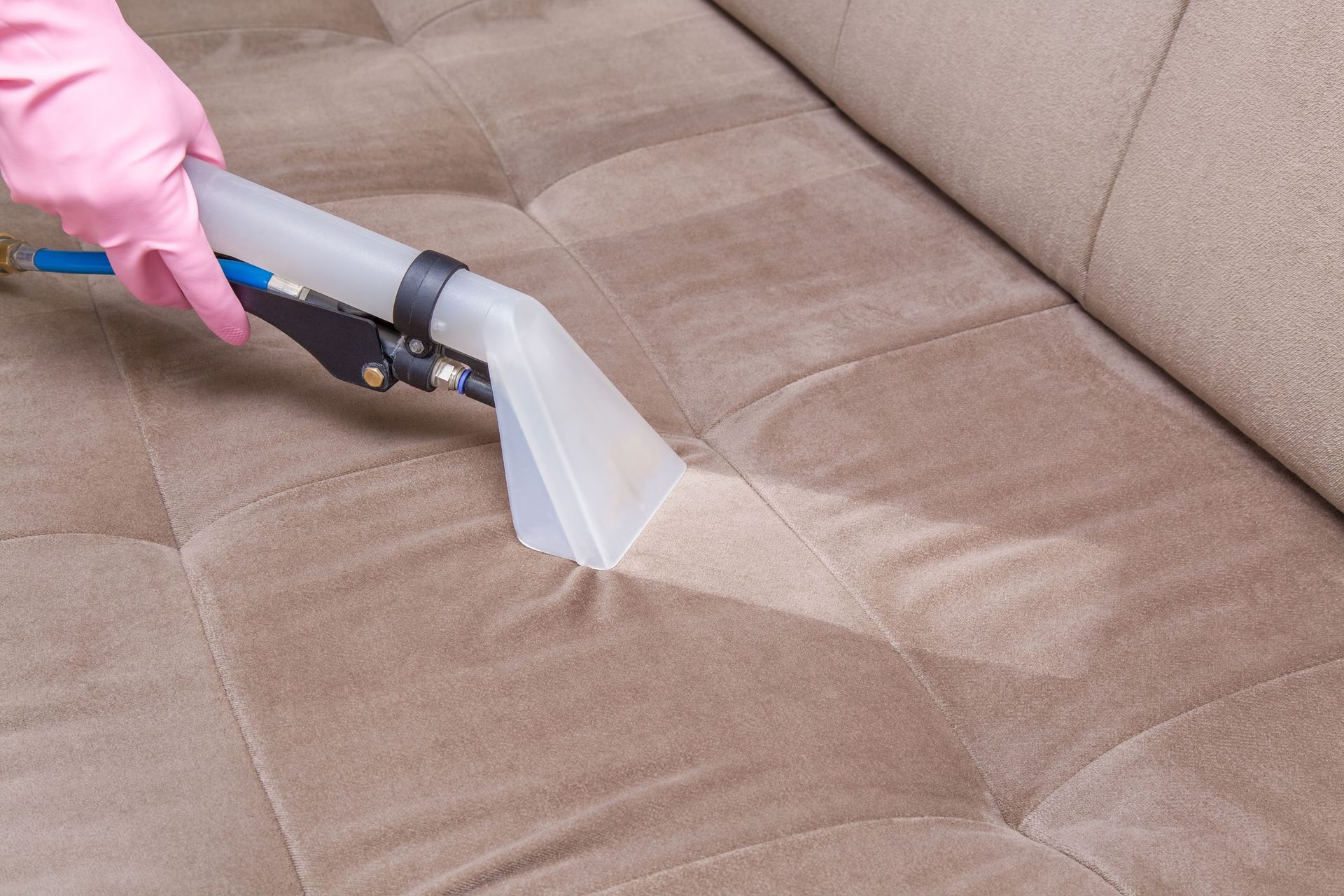
Porous building materials like drywall, carpet, insulation, and upholstery readily absorb contaminated floodwater, trapping dangerous pathogens deep within interior living spaces. Cleaning contaminated areas requires far more than basic surface washing; it demands specialized sanitization agents, personal protective gear, and strict containment protocols to prevent cross-contamination to unaffected areas. Materials exposed to heavily contaminated water often must be safely removed and disposed of according to environmental health standards. Relying on a professional water damage service guarantees that hazardous residues are thoroughly decontaminated and sanitized, restoring a clean, safe living environment for all occupants.
Damaging Essential Building Materials
Beyond structural framework, flooding inflicts severe damage on interior finishings, fixtures, and personal possessions. Drywall is particularly susceptible to moisture absorption, wicking water upward away from floor lines and losing structural rigidity as gypsum cores dissolve. Saturated drywall becomes heavy, sags, and eventually collapses, creating dangerous conditions for occupants while exposing internal insulation to atmospheric moisture. Fiber insulation loses insulating properties completely when compressed by water, trapping dampness against framing members for extended periods.
Flooring materials suffer equal devastation during major saturation events. Hardwood planks warp, cup, and split as wood fibers swell with absorbed liquid, often pulling away from subflooring structures entirely. Laminate and composite flooring options dissolve when water penetrates edge seams, causing layers to delaminate and bubble irreversibly. Carpeting and underlayment retain immense volumes of liquid, creating heavy, unsanitary layers that accelerate subfloor rot if not removed or dried with industrial extraction machinery. Timely intervention by a dedicated water damage service helps salvage valuable interior materials before irreversible warping occurs.
Unchecked flooding introduces complex, progressive hazards that threaten structural stability, indoor air quality, personal health, and property integrity. From accelerating structural rot and fostering hazardous mold colonies to creating severe electrical hazards and spreading dangerous biohazards, excessive moisture demands immediate, expert intervention. Allowing standing water or hidden dampness to linger increases the scope of destruction and complicates recovery efforts. Promptly addressing water intrusion with professional restoration strategies safeguards your physical property and ensures a safe, healthy environment for everyone inside.
If you are ready to restore your property and protect your structural investment from flood hazards with a water damage service, contact us at REDi Construction & Restoration today. We will help you extract moisture, sanitize affected spaces, and restore your property to pristine condition with comprehensive expertise.