October 22, 2026
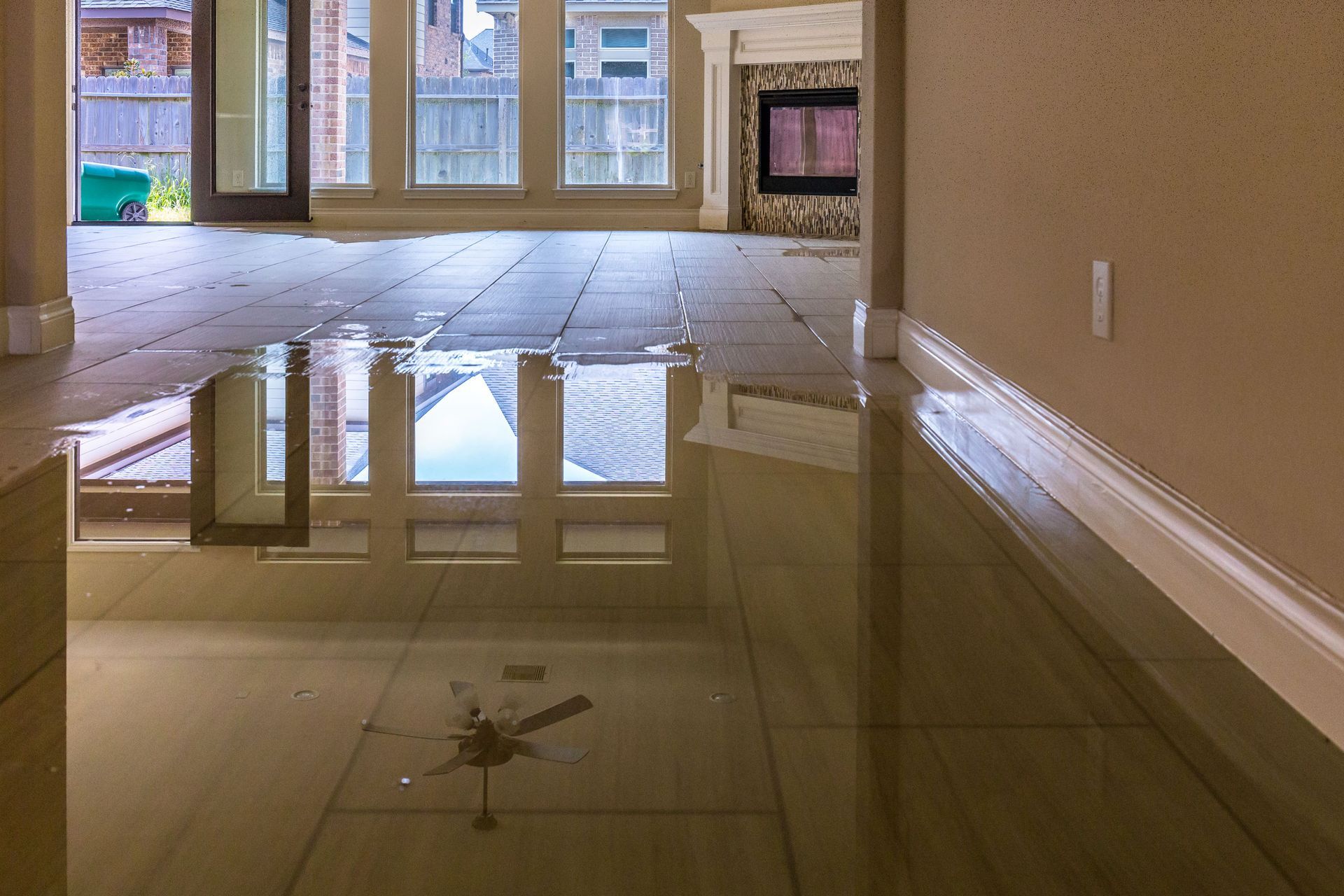
Homeowners underestimate the severity of indoor floods and leaks when disaster strikes their property. A minor puddle on the surface masks a much deeper problem lurking beneath floorboards and behind drywall. According to This Old House, roughly 6 million Americans unknowingly live in a flood plain. Such startling statistics highlight how unprepared many residents are for sudden moisture events.
Attempting to handle the aftermath without professional guidance leads to disastrous cascading effects. Surface drying techniques fail to address the moisture trapped within porous building materials. The structural integrity of the home begins to degrade when excess moisture remains hidden. Property owners who grab towels and fans struggle to resolve the underlying issues.
The Severe Health Risks of Contamination
Most flooding incidents involve contaminated moisture rather than clean liquid straight from a purified source. Environmental liquids entering a residence carry hazardous pathogens, chemicals, and biological contaminants from the outside environment. Touching these compromised materials without industrial personal protective equipment puts inhabitants in direct physical danger. Respiratory illnesses and severe skin infections arise when homeowners expose themselves to compromised environments.
Bacteria multiply in damp conditions and create a toxic atmosphere for anyone inside the dwelling. Professional restoration teams understand how to handle and neutralize these biological threats safely. Our technicians undergo rigorous training to manage contaminated environments without spreading pathogens. Amateurs lack the necessary containment knowledge to keep the rest of their house safe from airborne illness.
The Structural Threats to Building Foundations
Wood framing and drywall act like massive sponges when exposed to persistent moisture. The architectural supports of a residence lose their load-bearing capacity as saturation levels increase. Ignoring the deeper penetration of moisture guarantees that floors will warp and ceilings will sag. Serious structural failure becomes a genuine possibility if the framework remains damp for extended periods.
Attempting to fix these structural concerns without proper training exacerbates the degradation. Inadequate drying methods leave pockets of moisture that rot wooden joists and beams from the inside out. Fixing a collapsed ceiling requires more effort and capital than addressing the initial saturation properly. The cost of replacing rotted framing outweighs the expense of hiring qualified mitigation experts.
The Financial Pitfalls of Improper Mitigation
Many property owners attempt mitigation themselves because they want to save money during a stressful crisis. This misguided financial strategy backfires when the initial cleanup efforts fail to stop the degradation. Unresolved water damage forces homeowners to pay for extensive remodeling and structural repairs down the line. The price of replacing an entire flooring system dwarfs the cost of immediate professional extraction.
Spending personal funds on consumer-grade drying tools provides a false sense of security. Hardware store vacuums and basic box fans lack the power necessary to pull moisture from dense materials. Homeowners waste their resources on ineffective gear while their property continues to deteriorate. In the end, they pay a professional company to fix the original issue and the resulting complications caused by their delay.
The Unseen Perils of Mold Proliferation
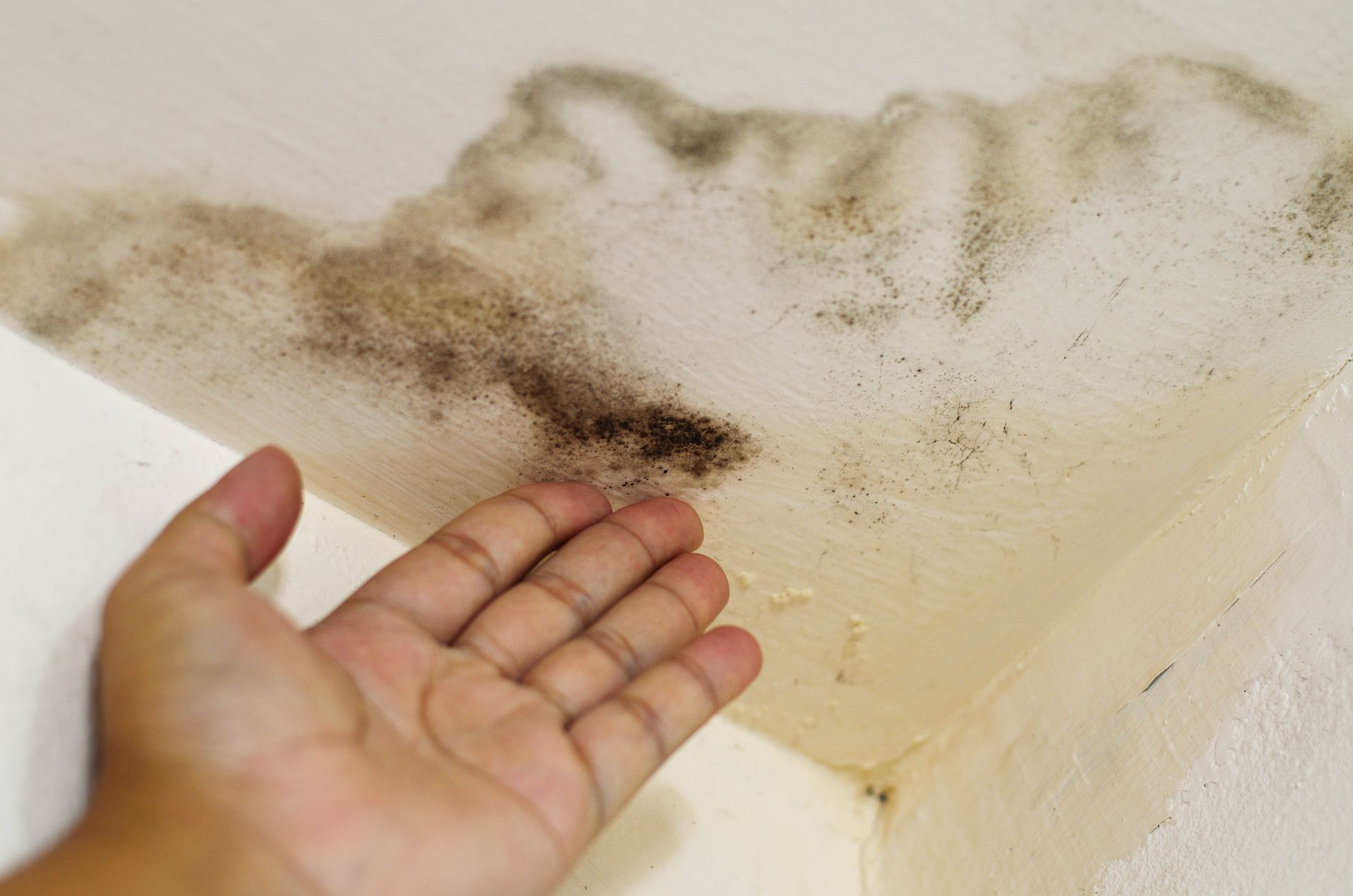
Fungal growth begins within hours of a saturation event when conditions remain damp and warm. Spores settle into organic materials and establish sprawling colonies hidden from visual inspection. Amateur approaches to water damage leave enough moisture behind to support a thriving mold infestation. These hidden colonies release vast quantities of allergens into the indoor air circulation system.
Eradicating an established fungal colony requires specialized chemical treatments and strict containment barriers. Bleach and household cleaners only alter the color of the mold surface while the roots continue spreading deep within the walls. Professional water damage remediators utilize heavy-duty antimicrobial agents designed to destroy the organism at its source. Failing to eliminate the root cause guarantees that the fungal growth will return.
The Insurance Complications of Unprofessional Work
Homeowner insurance policies contain strict clauses regarding property maintenance and timely professional intervention after a disaster. Adjusters scrutinize claims where the owner attempted to manage the cleanup without certified assistance. If a claims adjuster determines that amateur efforts worsened the situation, the carrier might deny the claim. Losing insurance coverage for a major reconstruction project devastates family finances.
Certified restoration companies document every step of the mitigation process to satisfy stringent insurance requirements. Our team provides comprehensive atmospheric readings and moisture maps to prove the necessity of our actions. Homeowners lacking this meticulous documentation face steep uphill battles when requesting reimbursement for their losses. Securing professional help right away ensures a smoother and more favorable insurance claim process.
The Specialized Equipment Required for Restoration
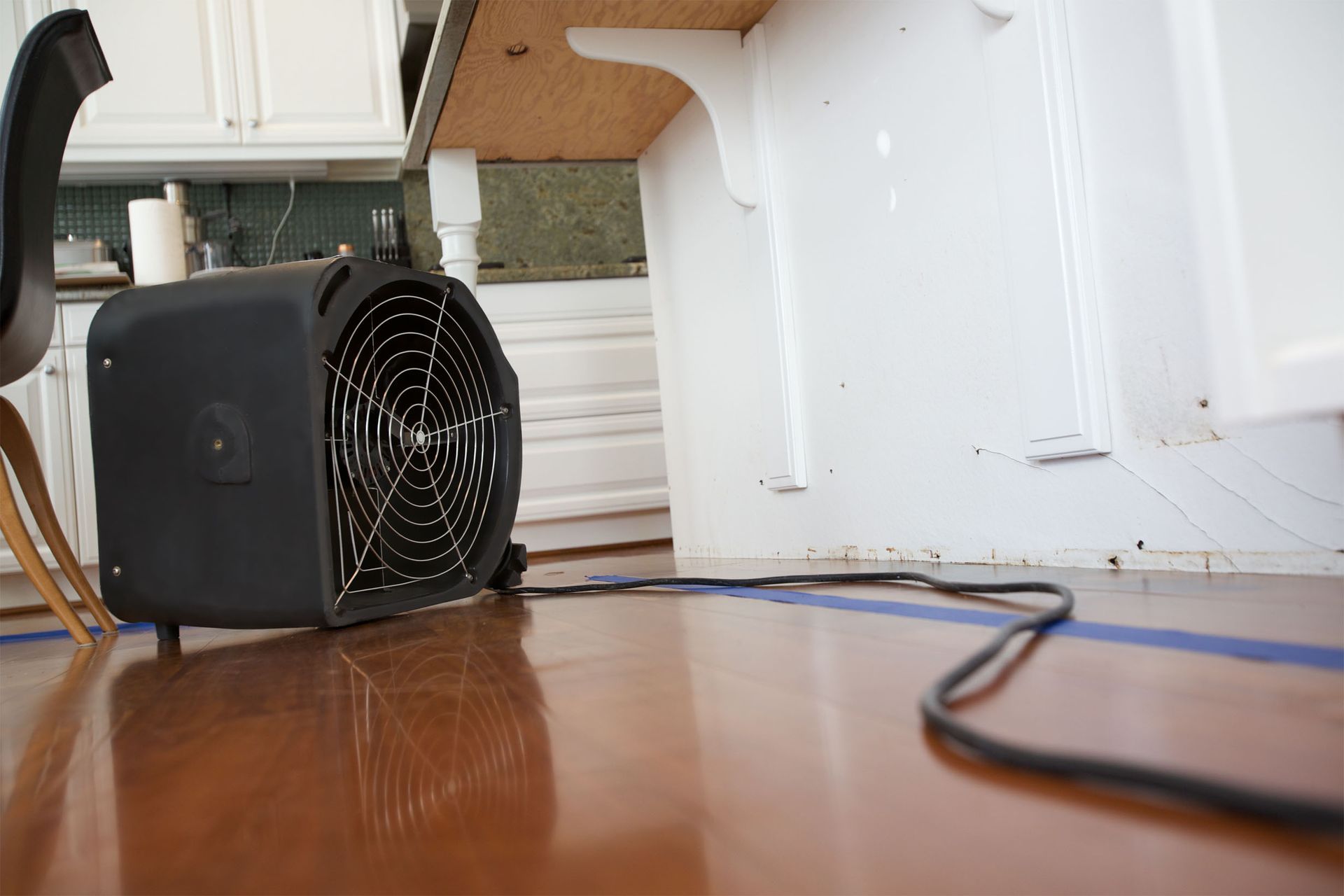
Proper mitigation relies on industrial machinery that the average person cannot access or operate safely. Desiccant dehumidifiers and heavy-duty air movers manipulate the indoor climate to force rapid evaporation from saturated materials. Standard residential fans push damp air around the room without lowering the actual humidity levels. Effective water damage restoration demands precision climate control that only commercial gear provides.
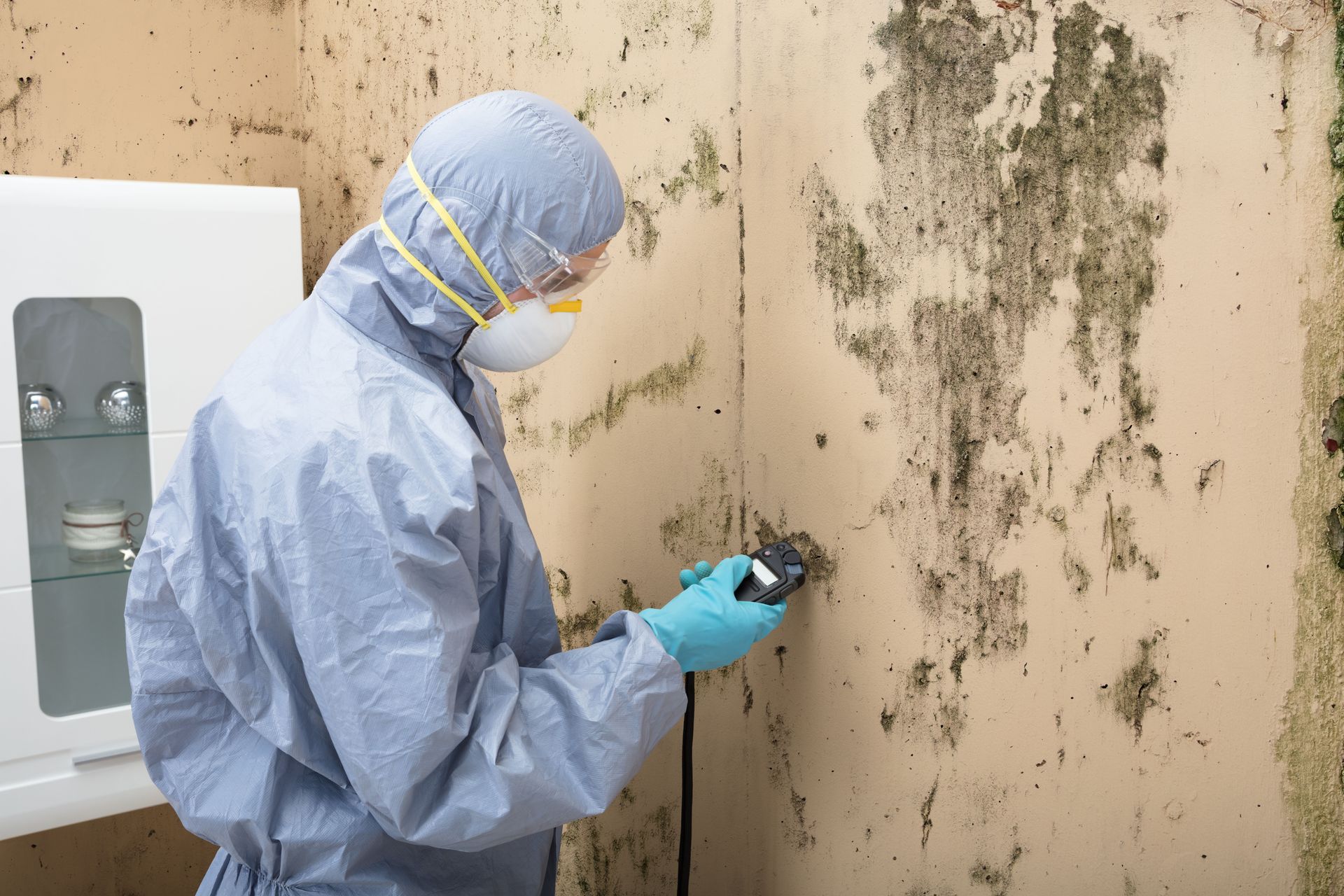
Moisture detection tools represent another critical component of the professional mitigation arsenal. Thermal imaging cameras and penetrating moisture meters allow technicians to see exactly where liquid remains trapped. Homeowners relying on their bare hands to check for dampness will miss hidden pockets of saturation. Precision instruments eliminate the guesswork and ensure that every affected material reaches a verified dry standard.
The Long Term Consequences of Incomplete Drying
Walking away from a partially dried room sets the stage for chronic odors and lingering humidity issues. Musty smells become embedded in carpets and upholstery when moisture remains trapped beneath the padding. Resolving these persistent odors requires replacing the affected materials because the degradation becomes irreversible. The initial incident morphs into a permanent nuisance that diminishes the overall comfort of the home.
Property values plummet when potential buyers discover a history of improper hazard mitigation. Home inspectors spot the telltale signs of amateur repairs and lingering moisture during routine evaluations. A compromised property history scares away lucrative offers and forces sellers to accept massive discounts. Doing the job correctly from the start protects the long-term investment value of the real estate portfolio.
The Unique Challenges of Different Materials
Every material inside a modern home reacts differently when subjected to significant liquid exposure. Hardwood floors cup and buckle under pressure, while carpets delaminate and separate from their primary backing. Amateurs treat all surfaces the same way, which ruins salvageable items through incorrect drying protocols. Professional water damage teams apply specific extraction and airflow techniques tailored to each unique material.
Preserving delicate architectural features requires extensive knowledge of material science and evaporation physics. Our experts understand how much heat and airflow a specific finish can tolerate. Applying too much direct heat to a saturated wooden cabinet will cause irreversible warping and cracking. Careful monitoring guarantees that valuable fixtures survive the restoration process without sustaining additional damage.
The Value of Professional Assessment Protocols
Comprehensive initial inspections dictate the entire trajectory of the recovery effort. Trained technicians identify the original source of the leak to prevent further infiltration before beginning the cleanup. DIY enthusiasts ignore the source while focusing on the visible puddles accumulating on the floor. Halting the influx of liquid remains the critical step in preventing further property destruction.
Creating an effective mitigation strategy requires mapping the exact migration path of the liquid throughout the building. Water travels along the path of least resistance, flowing inside wall cavities and pooling in distant corners. Experts track this hidden progression to ensure no affected area goes unnoticed during the drying phase. This thorough methodology prevents surprise complications from arising months after the initial event.
The Peace of Mind from Expert Intervention
The sheer mental toll of managing a flooded property overwhelms families trying to juggle their regular responsibilities. Attempting massive cleanup efforts after working full shifts leads to exhaustion and poor decision-making. Passing the burden to competent professionals allows homeowners to focus on their family instead of grueling physical labor. A reputable restoration company handles the chaos while providing a clear path back to normalcy. Contact REDi Construction & Restoration today to learn more.