September 23, 2026
The presence of dark fungi within residential spaces presents major challenges for property owners. The necessity of professional intervention becomes apparent when colonies expand beyond minor surface spots. Complete eradication requires specialized techniques to ensure a safe living environment. Proper black mold remediation addresses visible growth and hidden moisture sources. Ignoring these dark patches allows the contamination to spread, compounding the negative effects on respiratory systems and overall vitality. Protecting human life requires immediate action upon discovering any fungal presence. Swift containment stops the biological threat from expanding.
Examining the Physical Dangers of Exposure
Microscopic spores infiltrate respiratory tracts with ease, causing significant distress. Individuals inhabiting affected structures experience persistent coughing, sneezing, and throat irritation. The body reacts to these foreign invaders, triggering allergic responses mimicking seasonal ailments. Prolonged contact exacerbates these symptoms, leaving occupants feeling unwell and fatigued. Medical professionals note that continuous inhalation compromises lung capacity. The deterioration of respiratory health creates ongoing medical challenges for affected residents.
Certain populations face elevated risks from toxic fungal environments. Children, older adults, and individuals with preexisting respiratory conditions bear the heaviest burden during exposure. Asthma sufferers endure frequent and severe attacks in damp, contaminated spaces. The mycotoxins released by specific strains induce neurological symptoms, including headaches and cognitive difficulties. Addressing these hazards requires comprehensive black mold remediation to safeguard vulnerable residents. Removing the biological trigger restores physical stability for the affected individuals.
The insidious nature of toxic spores means symptoms develop over time. Occupants might dismiss early signs of illness, attributing their discomfort to common colds. As the infestation grows, the concentration of airborne toxins increases, intensifying the physical toll on the body. Chronic exposure causes permanent respiratory damage and heightened sensitivities. Prompt intervention prevents these long-term medical complications from taking root. Clean air remains fundamental for sustaining optimal health.
Surface cleaning fails to neutralize the threat posed by deep-rooted colonies. Common household cleaners bleach the surface, leaving the underlying network intact and capable of regenerating. Microscopic fragments remain airborne after amateur cleaning attempts, continuing to provoke allergic reactions. Professional techniques remain necessary to extract spores from porous materials and purify the surrounding air. Proper extraction methods eliminate the source of physical distress. Complete eradication guarantees a return to a healthy environment.
Identifying the Hidden Sources of Contamination
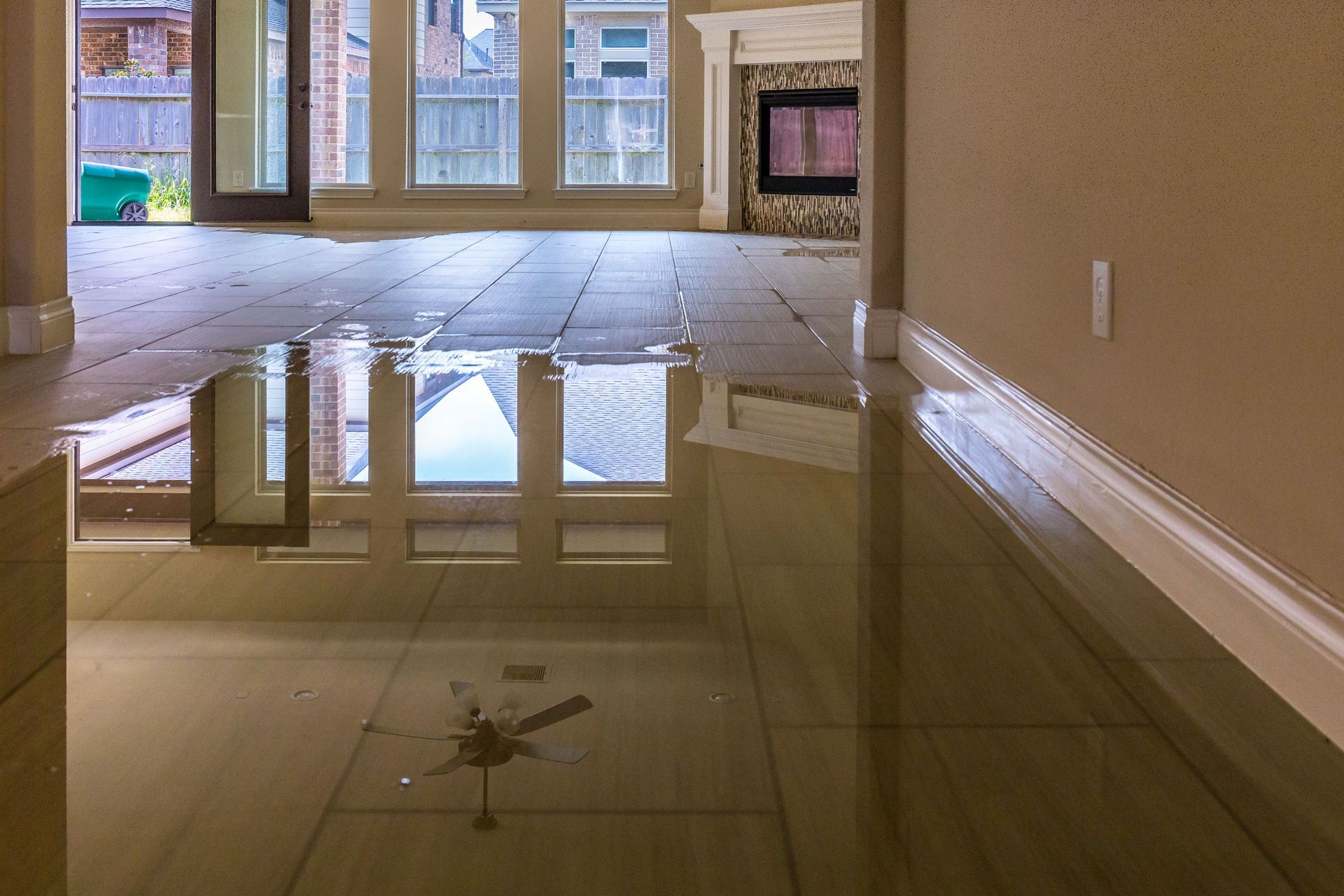
Fungal growth thrives in dark, damp spaces hidden from plain sight. Leaky pipes within walls create invisible reservoirs of moisture, fostering ideal conditions for colonies to expand. Condensation on windowsills or around cooling units provides constant hydration for spores to germinate. Property owners must inspect these susceptible areas to detect early signs of water damage. Catching moisture issues at early stages prevents extensive structural rot. Consistent observation mitigates the risk of unseen contamination spreading.
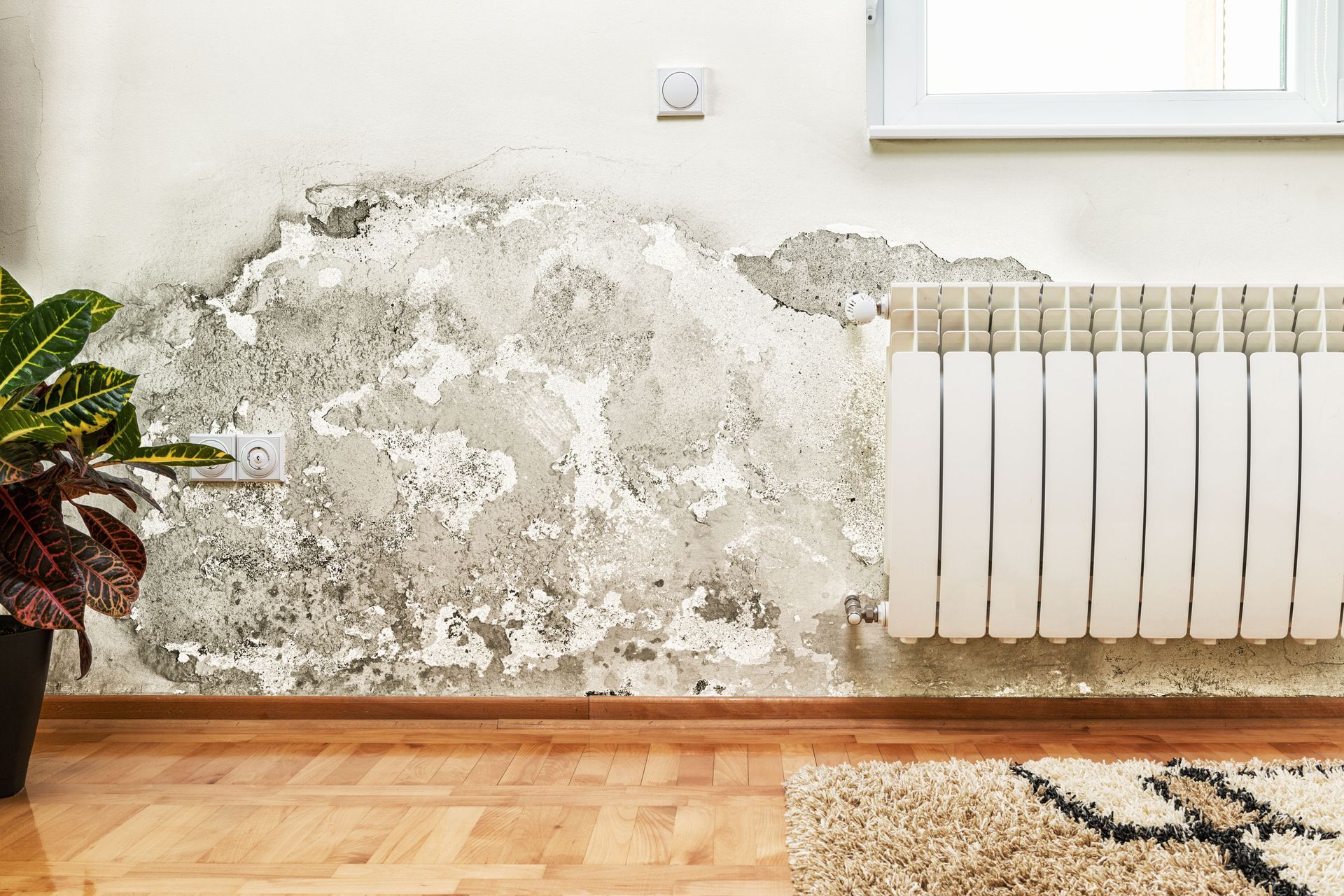
Attics and basements represent prime real estate for unchecked fungal proliferation. Poor ventilation traps humid air, allowing moisture to seep into wood framing and drywall. A musty odor serves as the initial indicator of hidden growth, prompting the need for thorough investigation. Dark stains on ceiling tiles or peeling paint signal underlying water intrusion. Recognizing these visual and olfactory clues remains essential for early detection. Timely discovery minimizes structural and biological damage.
Bathrooms lack adequate exhaust systems, causing steam accumulation after bathing. The resulting moisture clings to grout lines and ceiling corners, encouraging dark patches to form. These spots require comprehensive attention to resolve the underlying humidity problem. Without adequate airflow, the cycle of dampness and growth continues without interruption. Identifying these localized moisture sources dictates the specific strategies used during black mold remediation. Stopping the moisture supply starves the biological growth.
Exterior factors contribute to interior moisture problems. Poor drainage around a foundation allows rainwater to seep through concrete walls, creating a damp basement environment. Roof leaks introduce water into attic insulation, providing a fertile breeding ground for spores. Identifying and correcting these external vulnerabilities stops water from penetrating the building envelope. A dry interior environment halts the biological processes necessary for fungal survival. Shielding the exterior protects the interior airspace.
Understanding the Essential Steps of Eradication
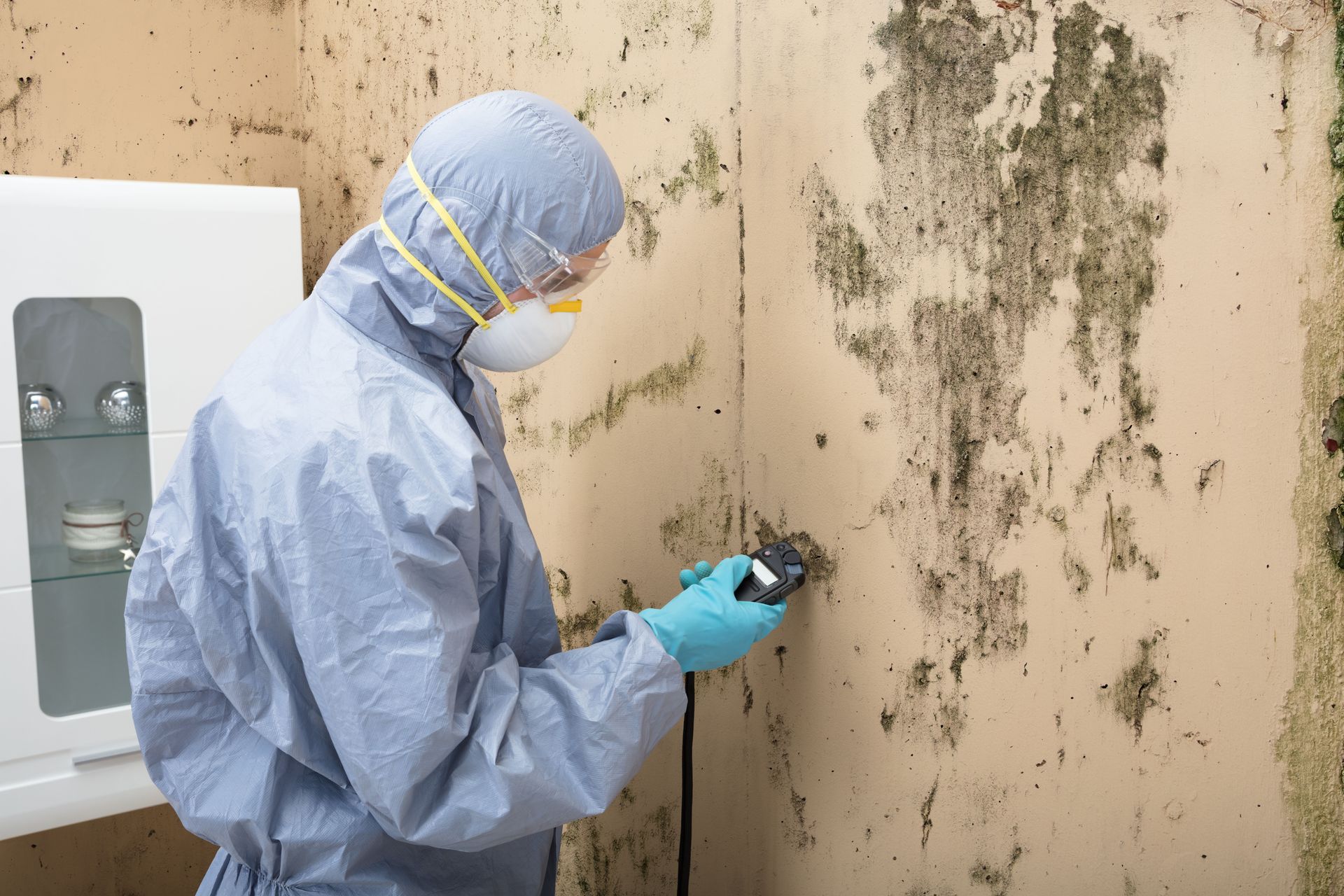
Professional removal teams begin with a comprehensive assessment of the property. Technicians use moisture meters and thermal imaging to locate hidden water pockets within building materials. This diagnostic phase determines the full extent of the contamination and guides the formulation of a removal strategy. Isolating the affected area prevents spores from traveling to uncontaminated zones during the extraction process. Containing the threat remains a fundamental priority during the initial setup phase.
Containment barriers and negative air pressure systems keep microscopic particles from spreading. Technicians wear specialized protective gear to shield themselves from toxic exposure while handling contaminated materials. Removing porous items like drywall and carpeting proves necessary, as these materials hold spores trapped within their fibers. Non-porous surfaces receive rigorous scrubbing with antimicrobial solutions to destroy remaining biological material. Safety protocols dictate every action taken during the material removal stage.
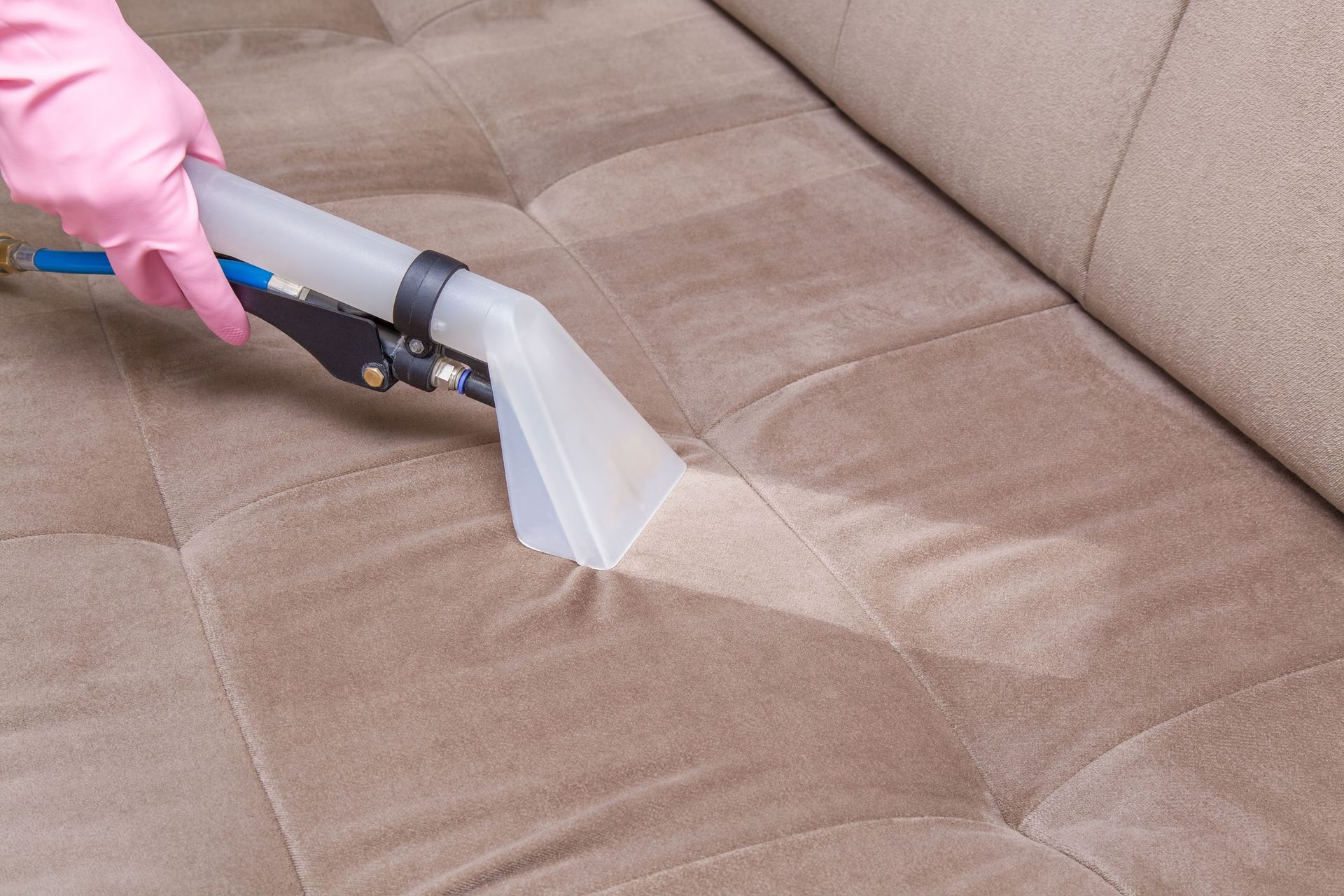
Specialized air scrubbers run without stopping to filter airborne contaminants from the environment. These machines capture microscopic fragments, reducing the concentration of toxins in the breathing zone. Thorough cleaning of air ducts ensures these systems do not harbor residual spores. Every surface undergoes meticulous vacuuming with specialized particulate filters to achieve complete sanitization. Rigorous adherence to these steps defines successful black mold remediation. Purifying the air completes the physical extraction phase.
The concluding phase involves rigorous testing to verify the success of the extraction. Independent inspectors collect air and surface samples to confirm spore levels match normal baseline conditions. This verification process provides peace of mind that the physical environment is safe for habitation. Achieving a clean bill of health for the building signifies the conclusion of the active removal phase. Rebuilding commences after professionals grant clearance for the structure.
Maintaining a Clean Environment for Occupants
Preventing future infestations requires proactive moisture management and structural maintenance. Homeowners must prioritize fixing leaks and improving ventilation to deny spores the hydration they require. Dehumidifiers play a vital role in extracting excess moisture from the air in damp spaces. Consistent monitoring of indoor conditions ensures the environment remains inhospitable to fungal growth. According to the EPA, keeping a home's humidity levels between 30% and 60% reduces mold growth.
Regular inspections of plumbing fixtures and roof integrity catch small leaks before they become major disasters. Directing landscaping and gutter downspouts away from the foundation keeps soil moisture from penetrating basement walls. Upgrading insulation prevents condensation from forming on cold interior surfaces during winter months. These preventative measures protect the investment made during black mold remediation and ensure lasting results. Diligence prevents recurring issues and protects the structural framework.
Proper airflow throughout a residence discourages stagnant, humid conditions. Exhaust fans must operate during and after activities that generate moisture, such as cooking and bathing. Keeping interior doors open allows air to circulate, equalizing temperature and humidity across different rooms. Utilizing air conditioning during humid weather helps remove moisture while cooling the interior. Simple habit changes contribute to maintaining a dry, safe living space. Good circulation disrupts the fungal lifecycle.
Education empowers individuals to recognize and respond to early warning signs of water damage. Understanding the relationship between moisture and fungal growth encourages proactive property maintenance. Prompt action upon discovering a leak prevents minor water intrusion from escalating into a toxic hazard. Cultivating a dry interior environment remains the most effective defense against biological contamination. Vigilance safeguards human health and preserves structural integrity for future generations occupying the residence.
Investing in professional black mold remediation guarantees a comprehensive resolution to complex contamination issues. Experts possess the knowledge and equipment necessary to eradicate deep-rooted colonies and purify the air. Addressing the biological growth and the underlying moisture source prevents future recurrence. Prioritizing a clean, dry living environment secures the health and vitality of all occupants. A safe home fosters a vibrant life free from unseen biological threats. If you suspect fungal growth in your home, contact us at REDi Construction & Restoration for comprehensive black mold remediation. We are ready to eliminate the threat and restore your property to a safe, healthy condition.