November 23, 2026
The ground beneath our feet often holds secrets we cannot see. As homeowners and city-dwellers, we rarely consider the potential risks that lie below our properties. This article explores the unseen pressures and hazards beneath our floors, providing necessary insights and precautions every property owner should know. The complexities of subsurface conditions can lead to unexpected and sometimes disastrous outcomes. Understanding these risks is crucial for maintaining property integrity and safety.
Understanding Subsurface Pressures
Definition and Nature of Subsurface Pressures
Subsurface pressures refer to the stress exerted by underground materials such as soil, rock, fluids, and gases. These pressures can vary dramatically based on geographic and environmental factors. The interaction between different subsurface elements creates a dynamic and often unpredictable environment. Homeowners and engineers must be aware of these forces as they can significantly impact construction, safety, and sustainability. Proper understanding and management of subsurface pressures are essential for preventing potential hazards.
Factors Contributing to Subsurface Pressures
Several factors contribute to the development of subsurface pressures. Geological formations, water content, and human activities such as construction and mining all play pivotal roles. Natural occurrences like tectonic movements and weather patterns further complicate subsurface conditions. Urban development often exacerbates these pressures by altering natural drainage and soil compaction. Recognizing the contributing factors helps in developing strategies to mitigate their adverse effects.
Natural vs Man-Made Pressures
Natural subsurface pressures arise from geological processes such as tectonic shifts and erosion. These pressures have existed for millennia and continue to shape the Earth's surface. In contrast, man-made pressures result from human activities like urban development, resource extraction, and waste disposal. The interplay between natural and artificial influences can create complex challenges for property owners and city planners. Understanding this relationship is key to developing effective risk management plans.
Historical Cases of Subsurface Pressure-Induced Disasters
Throughout history, there have been notable cases of disasters triggered by subsurface pressures. In 1985, the Mexico City earthquake caused widespread destruction, with subsurface conditions amplifying the quake's impact. The 2003 landslide in the Philippines, driven by soil saturation and pressure, buried an entire village. Such events highlight the devastating potential of unchecked subsurface pressure. These historical cases underscore the importance of rigorous subsurface monitoring and management.
Current Research on Subsurface Pressure Monitoring
Advanced research is underway to better understand and monitor subsurface pressures. Technologies like ground-penetrating radar and satellite-based imagery offer new ways to assess underground conditions. Researchers are developing algorithms to predict pressure changes, aiming to improve early warning systems. Collaboration between geologists, engineers, and data scientists is crucial to advancing subsurface monitoring techniques. These efforts are vital for minimizing risks and enhancing safety measures.
Common Types of Underground Hazards
Soil Liquefaction
Soil liquefaction occurs when saturated soil temporarily loses its strength due to stress, often during an earthquake. This phenomenon can cause buildings and structures to sink or collapse, posing significant hazards. Areas with loose, water-saturated soils are particularly vulnerable to liquefaction. Engineers must account for this risk when designing foundations in susceptible regions. Mitigating soil liquefaction involves soil stabilization techniques and precise building calculations.
Gas Accumulation and Explosive Risks
Subsurface gas accumulation poses serious explosive risks for buildings and infrastructure. Methane and other gases trapped underground can seep into buildings, creating dangerous conditions. Fissures or inadequate ventilation can lead to gas concentration and potential explosions. Regular monitoring and safety measures are essential to prevent mishaps. Advances in gas detection technologies help in identifying and mitigating these threats effectively.
Water Table Fluctuations
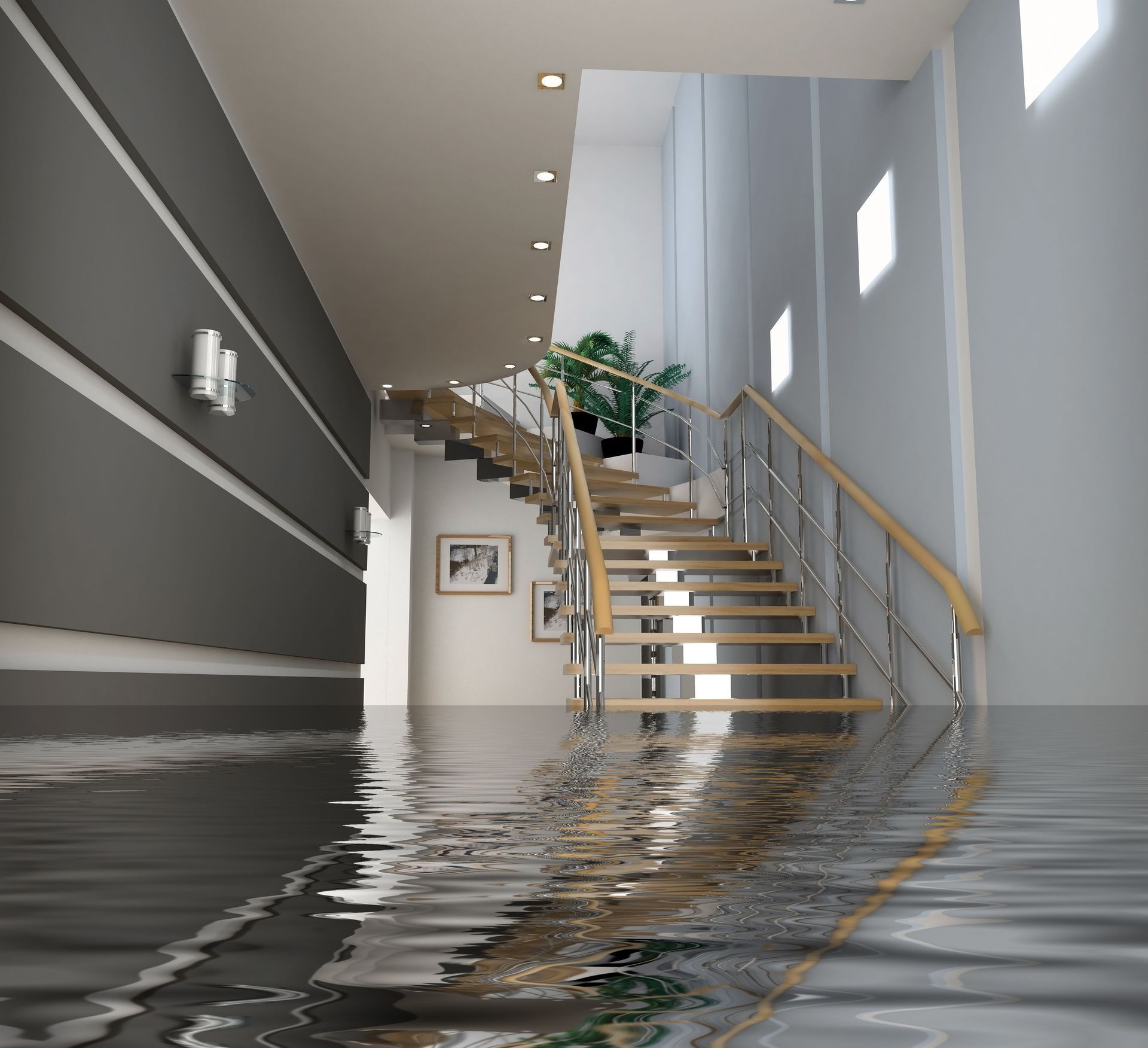
Fluctuations in the water table impact the stability and safety of buildings. Rising water tables can lead to basement flooding, undermining foundations and causing structural issues. According to RubyHome, 98% of basements in the U.S. will experience some water damage at least once. Fluctuating water tables can also contribute to soil erosion and subsidence. Effective drainage systems and waterproofing are vital in managing the risks associated with water table variations.
Sinkholes and Ground Subsidence
Sinkholes occur when erosion or groundwater depletion creates voids beneath the surface. These voids can suddenly collapse, swallowing roads, buildings, and vehicles. Ground subsidence, a gradual sinking of the Earth, results from similar geological processes and poses long-term infrastructure risks. Regions with soluble rock formations like limestone are particularly prone to these phenomena. Vigilant monitoring and engineering solutions help mitigate the risks of sinkholes and subsidence.
Seismic and Earthquake Activity
Seismic activity is a natural but unpredictable cause of subsurface pressures. Earthquakes can drastically alter the ground beneath, causing sudden shifts and destabilizing structures. Building codes and construction techniques have improved to withstand seismic forces. However, comprehensive planning and ongoing assessments are necessary to address emerging risks. Public awareness and preparedness play vital roles in reducing earthquake impact on communities.
Impact on Floor Structures and Foundations
Cracking and Shifting of Foundations
Subsurface pressures often manifest as cracks and shifts in building foundations. These physical changes can disrupt the integrity and safety of a structure. Early detection and repair are crucial in preventing extensive damage. Structural engineers assess pressure impacts to determine appropriate interventions. Reinforcement and stabilization strategies are essential to maintain foundation strength amid variable subsurface conditions.
Moisture and Dampness Issues
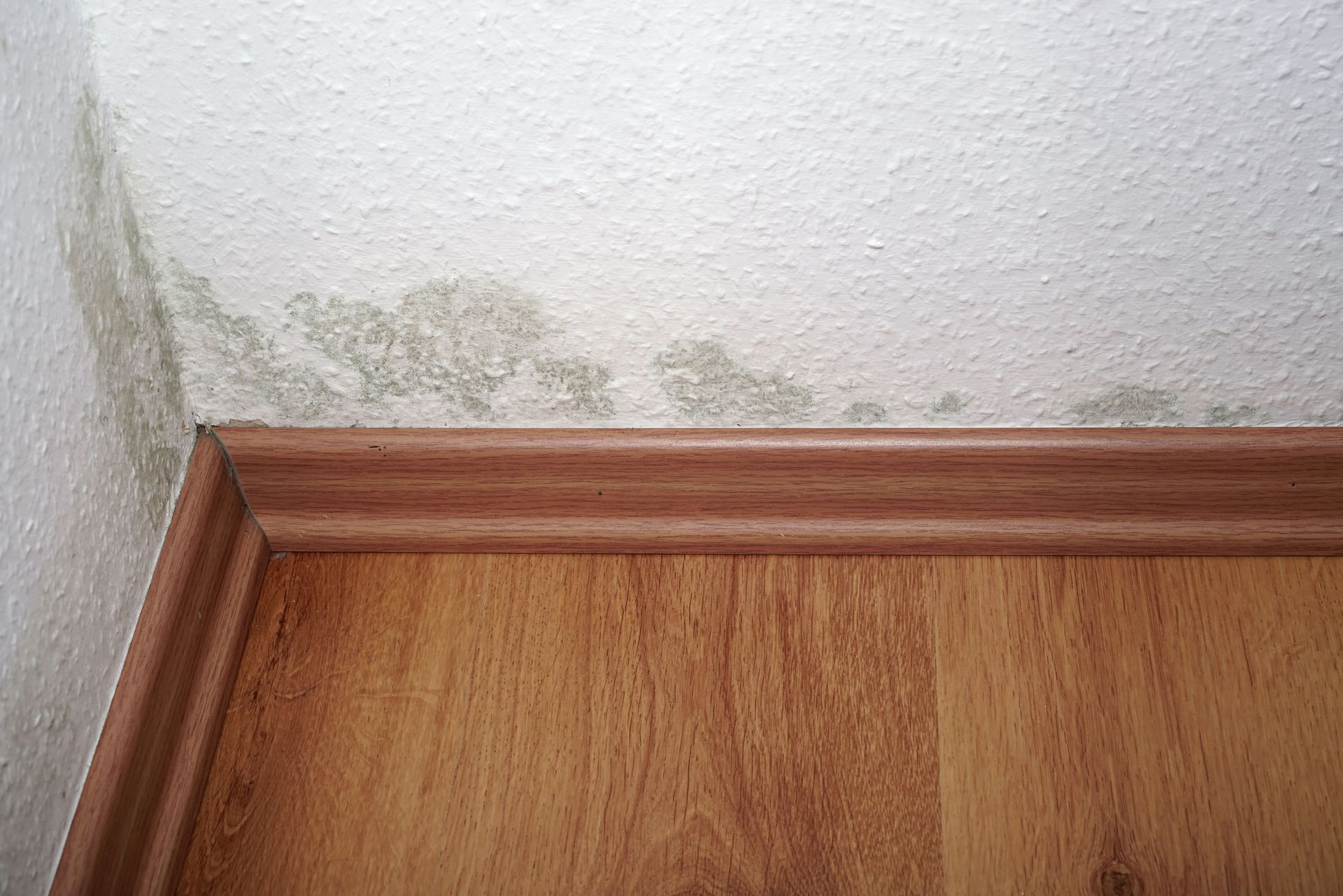
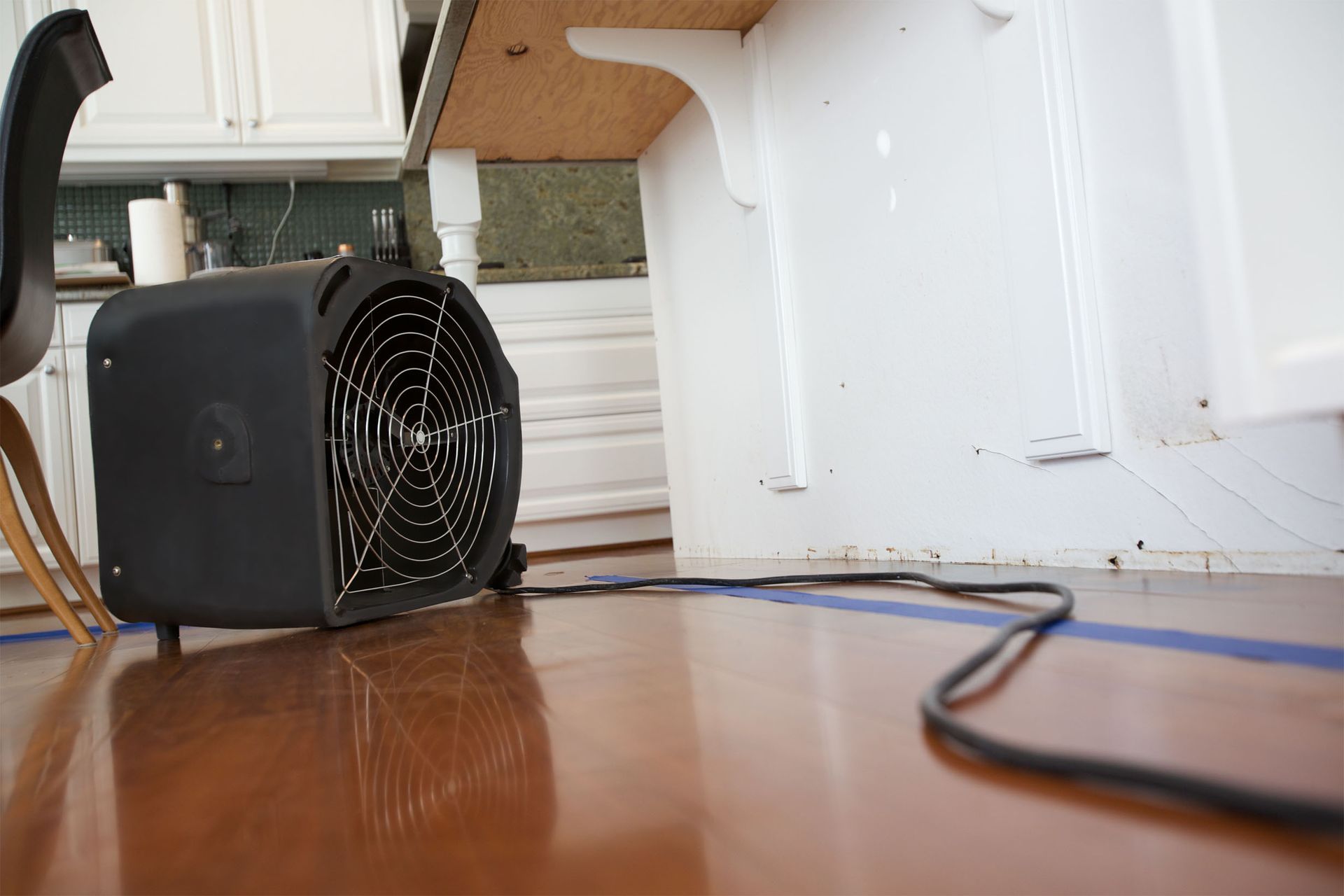
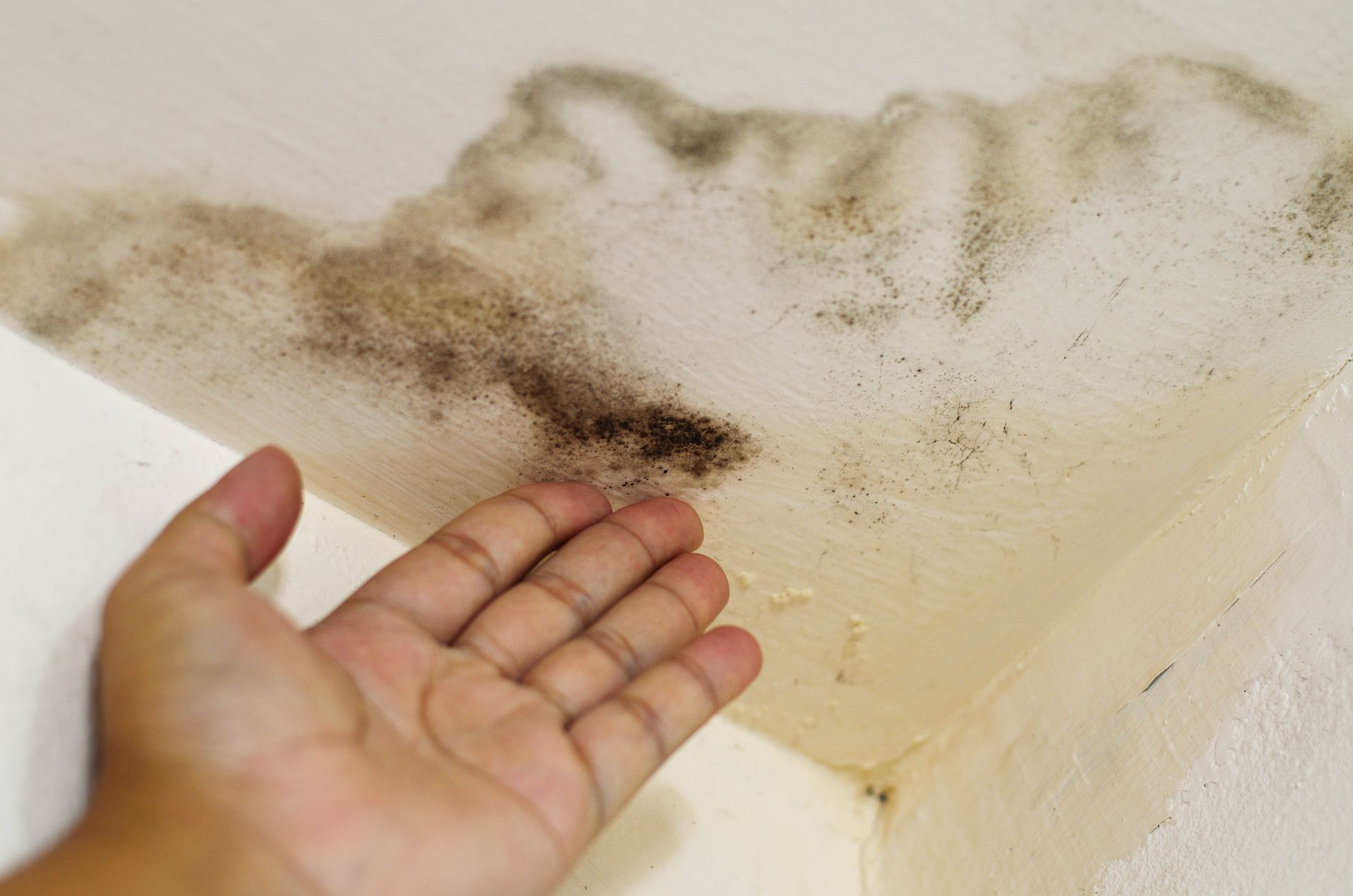
Excess moisture due to subsurface pressure can lead to dampness and mold problems in buildings. This not only affects structural integrity but also poses health risks to occupants. Proper sealing, drainage systems, and ventilation are critical in combating moisture-related issues. Routine inspections help identify and address potential moisture sources before they escalate. Maintaining a dry environment ensures the longevity and safety of a property.
Structural Integrity and Safety Concerns
Maintaining structural integrity requires careful consideration of subsurface pressures. Mismanagement of these forces can lead to catastrophic failures and safety hazards. Construction techniques must account for potential pressure changes, ensuring buildings remain robust. Regular assessments and maintenance play vital roles in safeguarding structural integrity. Safety measures and diligent planning are fundamental in addressing these concerns effectively.
Long-term Durability and Maintenance Costs
Subsurface pressures influence the long-term durability and maintenance costs of a property. Unchecked pressures can result in frequent and costly repairs. Implementing robust construction and design strategies helps minimize such expenses. Proactive maintenance and early intervention reduce the likelihood of expensive damage. Investment in durable materials and technologies ensures ongoing stability and cost-efficiency.
Case Studies: Property Damage from Subsurface Pressures
Numerous case studies illustrate the impact of subsurface pressures on property damage. In Florida, sinkholes have caused significant residential and commercial losses. California's seismic activity poses ongoing challenges to building stability and safety. Learning from these events helps inform construction practices and risk management strategies. Ongoing research and adaptation are key to mitigating property damage risks.
Preventative Measures and Solutions
Effective Ground Surveys and Risk Assessments
Conducting thorough ground surveys and risk assessments is essential in preventing subsurface pressure-related issues. These evaluations identify potential hazards and inform strategic planning. Engineers and geologists utilize advanced tools to gather comprehensive data on subsurface conditions. Integrating this information into building designs enhances safety and resilience. Ongoing assessments are necessary to address changing subsurface dynamics.
Subsurface pressures and hazards present a significant challenge that requires awareness and proactive management. By understanding the risks and implementing strategic measures, homeowners and communities can protect their investments and ensure safety for generations to come. As technology and policy continue to advance, we stand at the forefront of innovating solutions for the age-old pressures beneath our floors. Through collaboration and commitment, we can effectively address and mitigate the complex risks associated with subsurface conditions. Be sure to reach out to REDi Construction & Restoration today to learn more about one of your local water damage companies!