November 24, 2026
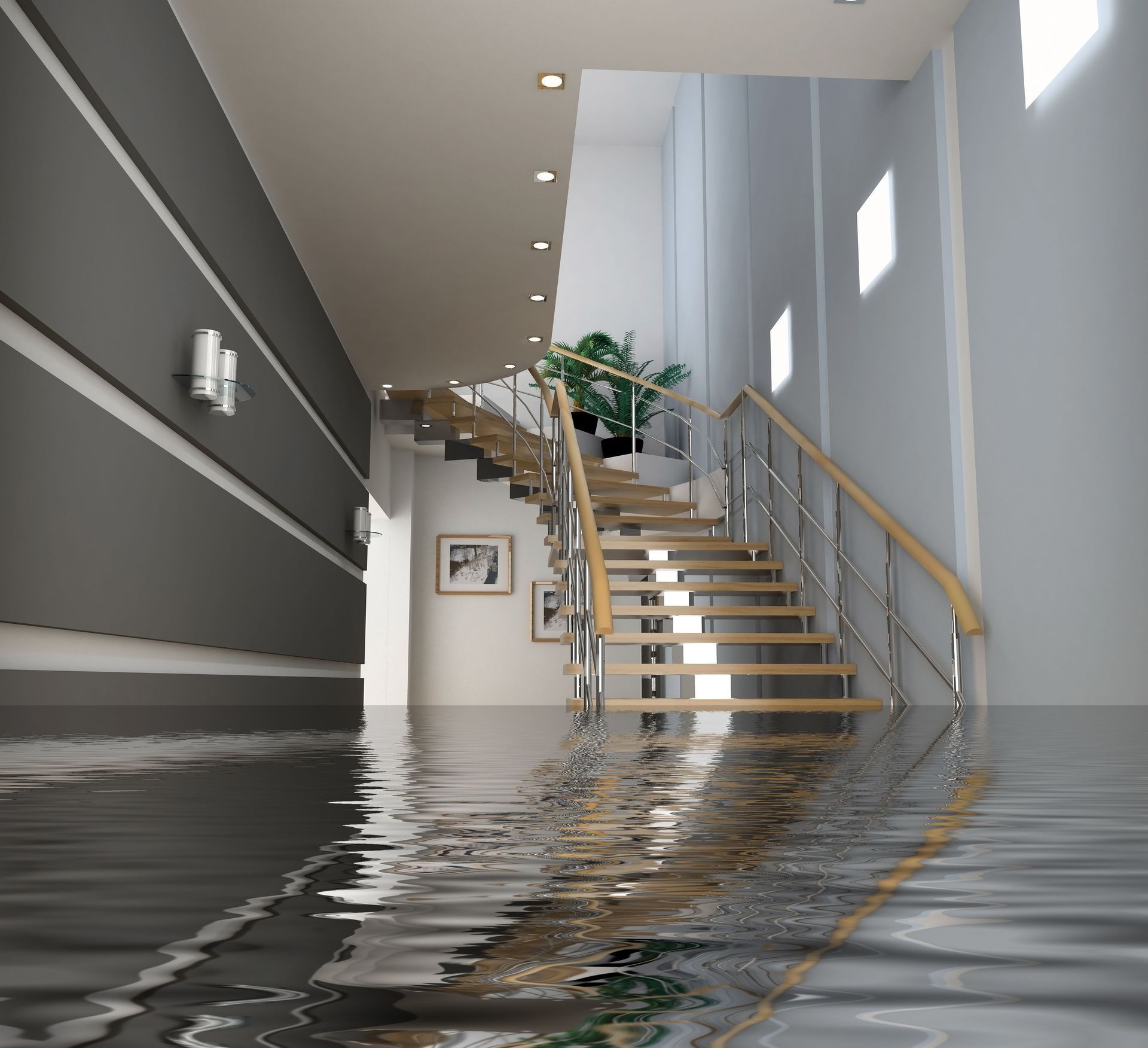
Flooding has become an increasingly pressing concern for residential property owners across the country, exacerbated by unpredictable weather patterns and severe storms. This natural disaster can cause devastating structural harm, making it critical for families to establish a robust emergency response strategy. A comprehensive preparedness plan not only minimizes physical destruction to your residence but also ensures the immediate safety and well-being of everyone living inside. As extreme weather events become far more frequent, proactive preparation has never been more essential for protecting your largest investment.
Understand Your Local Flood Risks
Flooding is classified into several distinct types, and each brings unique characteristics and hazards to residential neighborhoods. Flash floods are sudden, intense inundations typically occurring within six hours of heavy rainfall, often catching unsuspecting communities completely off guard. River flooding, on the other hand, unfolds much more slowly as waterways overflow their banks after prolonged storms or rapid spring snowmelt. Coastal surges result from heightened sea levels driven by hurricanes or tropical storms, heavily impacting areas located near oceans and bays. Recognizing these specific categories helps you craft a targeted response strategy to mitigate the exact threats your neighborhood faces, while knowing which local water damage companies to call if water breaches your foundation.
Geography plays a pivotal role in determining the overall vulnerability of any single-family home. Living near rivers, lakes, creeks, or coastal regions naturally increases the likelihood of experiencing severe water intrusion during heavy storms. However, urban and suburban areas, with their high degree of impermeable concrete and asphalt surfaces, also exacerbate the issue by reducing the natural absorption of rainwater. Evaluating local topography and neighborhood drainage patterns allows you to tailor your preparedness measures effectively. When you understand these environmental factors, you can better predict potential storm outcomes and protect your living space accordingly.
Changing climate patterns significantly amplify these environmental hazards, impacting seasonal weather cycles nationwide. Rising global temperatures contribute to more extreme precipitation events and increasingly volatile atmospheric conditions throughout the year. This shift has made severe inundation far more frequent and destructive, requiring a proactive mindset from every property owner. According to research compiled by RubyHome, nearly all counties across the United States experienced at least one damaging flood event between 1996 and 2019. As weather volatility continues to intensify, preparing your household for sudden water emergencies and keeping contact details for local water damage companies handy has become an absolute necessity.
Manage the Financial Implications of Flooding
The financial aftermath of a severe storm can be truly devastating for families, as they suddenly face massive repair bills for both the structure and contents of their homes. Waterlogged personal belongings, ruined electrical systems, and compromised foundation integrity drive restoration and replacement costs sky-high within hours. Uninsured residents face the very real possibility of crippling long-term debt, contributing to years of unnecessary financial strain. Timely fiscal preparation is essential to mitigate these heavy economic burdens before disaster strikes. Estimating potential recovery expenses beforehand ensures you can make informed decisions about protective home upgrades and emergency savings.
Securing dedicated flood insurance is a pivotal consideration for safeguarding your household against the steep economic impact of rising waters. Standard homeowners insurance policies almost always exclude overland water damage, necessitating the purchase of a separate, specialized policy. Coverage options vary widely depending on your zone, protecting differing aspects from structural framing to personal furnishings, which demands thorough policy analysis. You should explore all available federal and private insurance options early to ensure your dwelling has sufficiently comprehensive protection. Having adequate coverage enables a smoother recovery without forcing you to drain your retirement or emergency funds, especially when working alongside trusted local water damage companies to document losses.
Government disaster aid plays a helpful role in community recovery, yet it carries strict limitations following a major weather event. While federal assistance programs can provide temporary relief, they typically do not cover all incurred repair costs, leaving massive gaps in your financial recovery. Delays in grant distribution and stringent eligibility requirements often exacerbate the stress faced by displaced families. Consequently, relying solely on governmental support after a storm is a remarkably risky proposition for any property owner. Proactive financial planning, which combines proper insurance coverage, personal savings, and early consultations with local water damage companies, offers far more reliable protection.
Implement Smart Property Protection Strategies
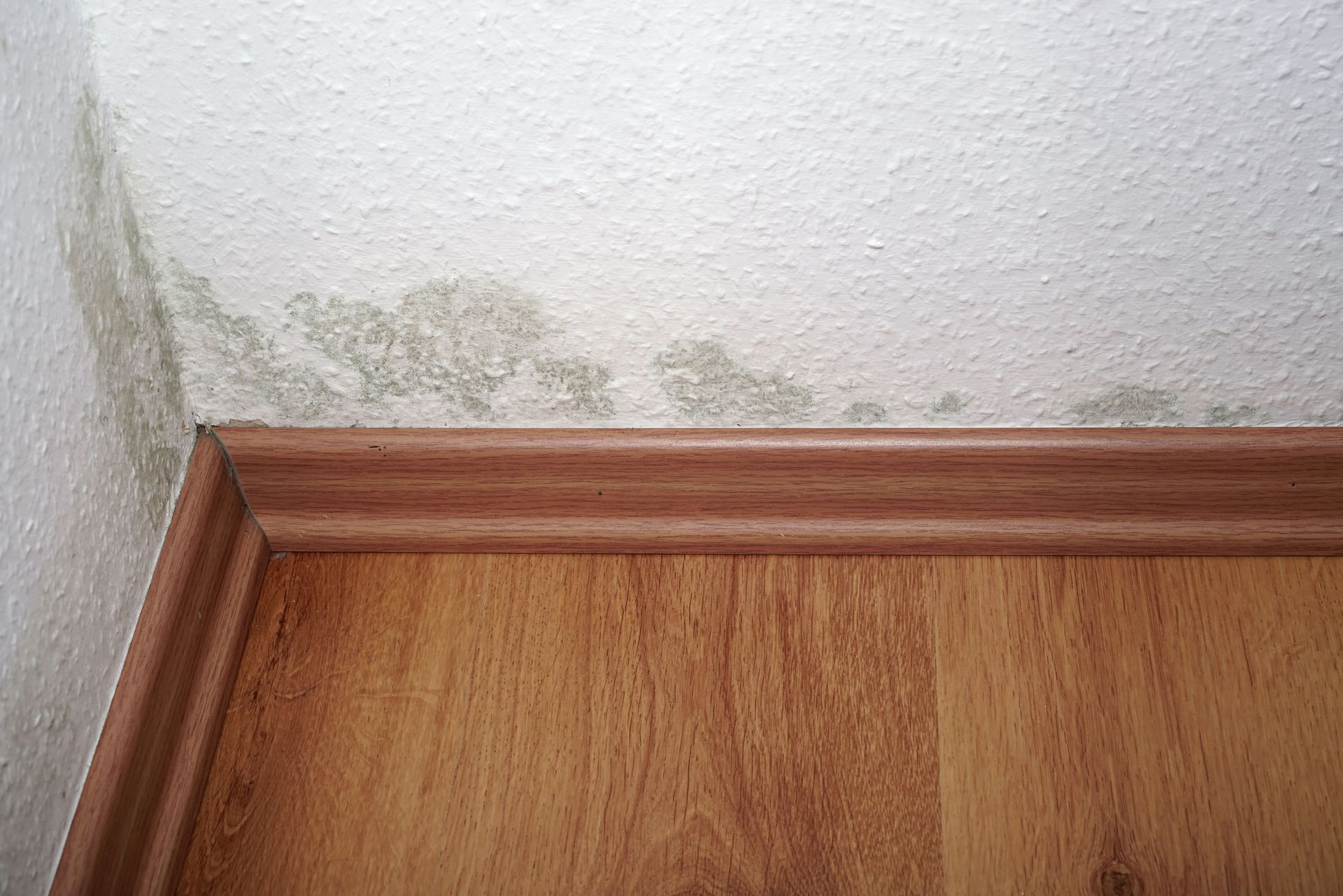
Making targeted structural modifications offers viable, long-term solutions for minimizing water intrusion inside residential buildings. Elevating critical utilities such as main electrical panels, furnaces, and water heaters prevents rising water from destroying expensive mechanical components. Installing engineered foundation vents allows floodwaters to flow freely through crawlspaces, dramatically reducing hydrostatic pressure against your exterior walls. Battery-backed basement sump pumps are another highly effective measure for keeping groundwater at bay during prolonged downpours. Investing in these physical adaptations lowers future repair bills, enhances overall property resilience, and makes life much easier for local water damage companies should a severe breach ever occur.
Thoughtful land use and strategic landscaping serve as natural aids in diverting and absorbing excess stormwater before it reaches your foundation. Planting native vegetation with deep root systems stabilizes yard soil and dramatically enhances natural water absorption during heavy rain. Incorporating permeable surfaces such as gravel walkways and patios can further increase the absorption capacity of your landscape. Lawns should be carefully graded to slope away from the house, naturally directing surface runoff toward municipal storm drains. Additionally, strategically placed rain gardens capture excess roof runoff and facilitate healthy groundwater replenishment across your lot. Ensuring proper grading prevents water from pooling around the foundation, thus safeguarding your home against potential water damage.
Smart landscaping combines attractive curb appeal with practical drainage engineering to fortify your entire property against seasonal storms. By integrating these landscaping techniques, homeowners can effectively protect their properties while enhancing the aesthetic value of their outdoor spaces.
Leverage Community and Technology in Preparedness
Collaborative neighborhood efforts greatly enhance overall preparedness and post-storm recovery effectiveness across residential streets. Coordinating with immediate neighbors ensures that emergency response plans are synchronized and mutually supportive during widespread power outages. Joint neighborhood efforts can include shared resources, such as bulk sandbag distribution, clearing clogged street storm drains, or checking on elderly residents. Engaging collectively fosters a supportive community spirit that eases the emotional burden of disaster recovery, particularly when sharing recommendations for reputable local water damage companies.
Modern technological advances have simultaneously revolutionized storm prediction, home monitoring, and early warning systems. Smart home water sensors placed near sump pumps and basement floors alert homeowners of rising moisture in real time via mobile apps, minimizing destruction through swift intervention. Automatic main water shutoff valves also protect interiors from secondary plumbing failures during freezes or storms, while digital emergency checklists streamline supply tracking. Combining neighborhood solidarity with smart home detection equips modern households for prompt, efficient emergency responses.
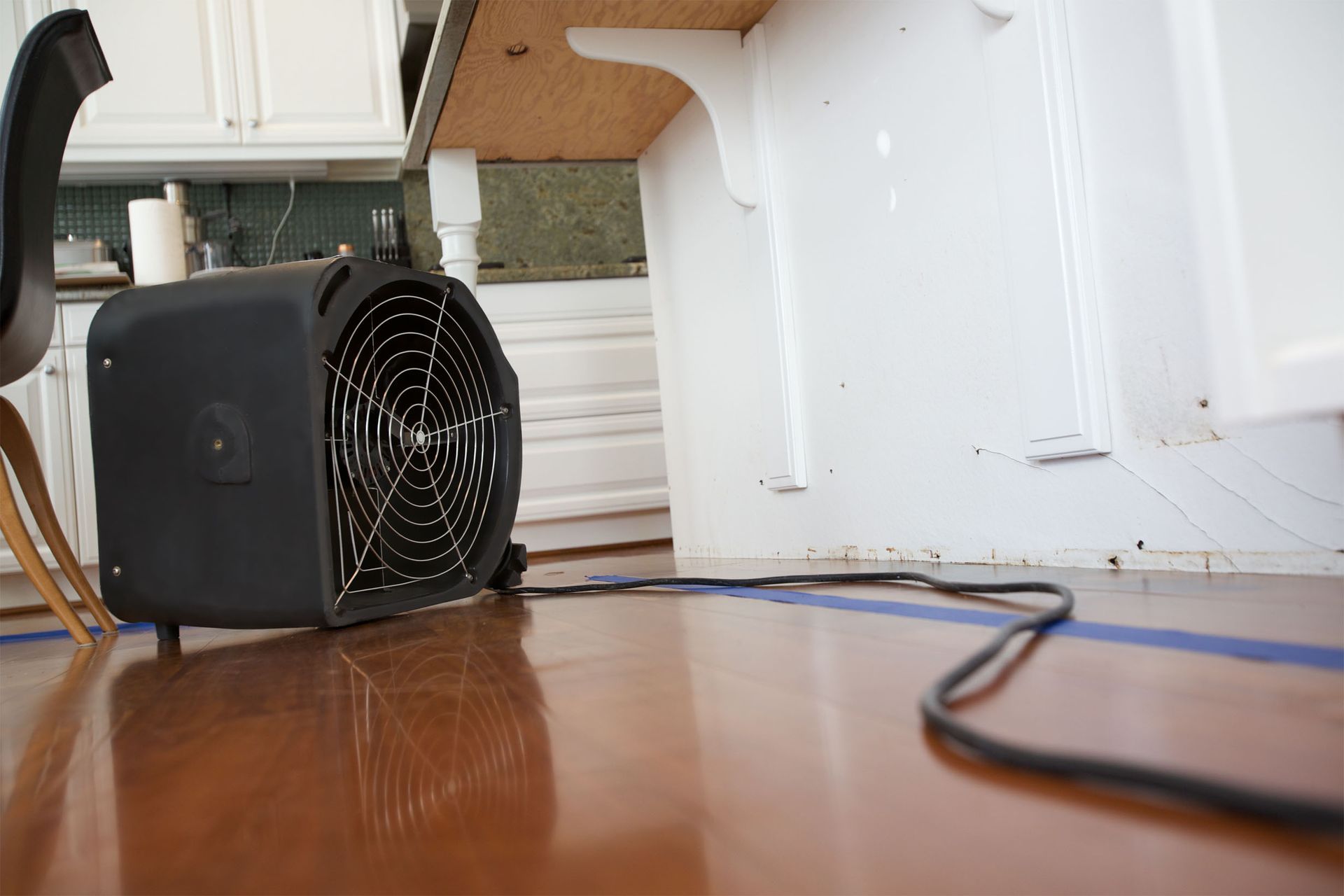
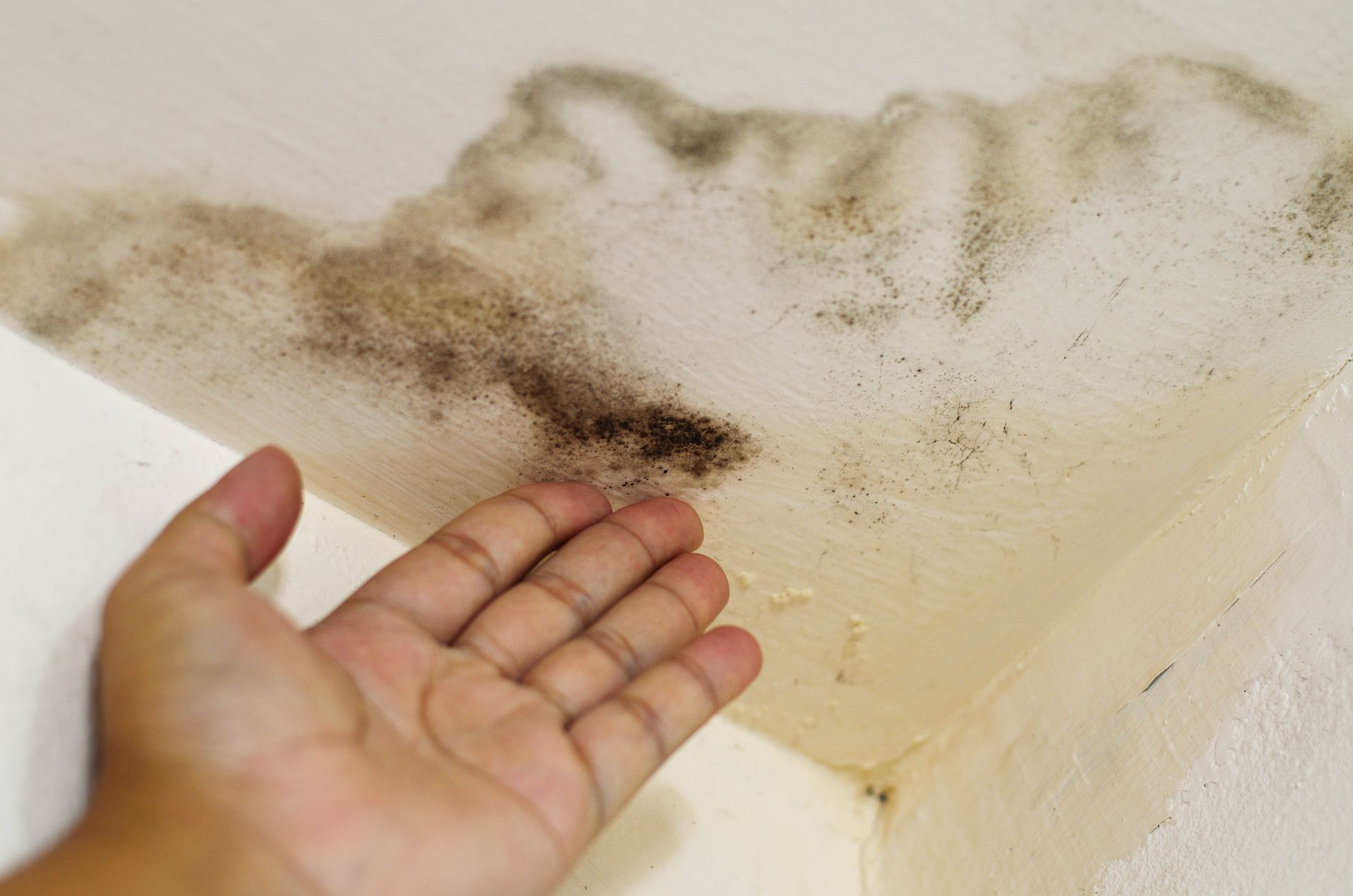
Preparing for severe weather requires continuous vigilance, clear organization, and decisive action before dark clouds gather on the horizon. By understanding your local terrain, securing proper insurance, fortifying your structure, and utilizing modern detection tools, you dramatically reduce the threat of catastrophic property loss. When unexpected water intrusion still manages to overwhelm your defenses, partnering with experienced local water damage companies ensures your home is restored safely and swiftly. Do not wait until floodwaters are at your doorstep to protect your family and your investment; contact REDi Construction & Restoration today to schedule a comprehensive property assessment and build a custom emergency recovery plan.