July 28, 2026
Property owners often focus on repairs, routine maintenance, and improvements that protect a building’s appearance and value. Mold can be easier to overlook because growth may begin behind walls, under flooring, inside ceilings, or near hidden plumbing. By the time discoloration or odor becomes obvious, moisture may have affected a larger area.
Timely black mold remediation services help property owners respond before contamination spreads or causes extensive damage. Prompt action can reduce disruption, support healthier indoor conditions, and identify the moisture source responsible for the problem. For homeowners, landlords, and commercial property managers, early remediation is increasingly viewed as essential property care rather than a repair that can be postponed.
Recognizing the Risks of Delayed Action
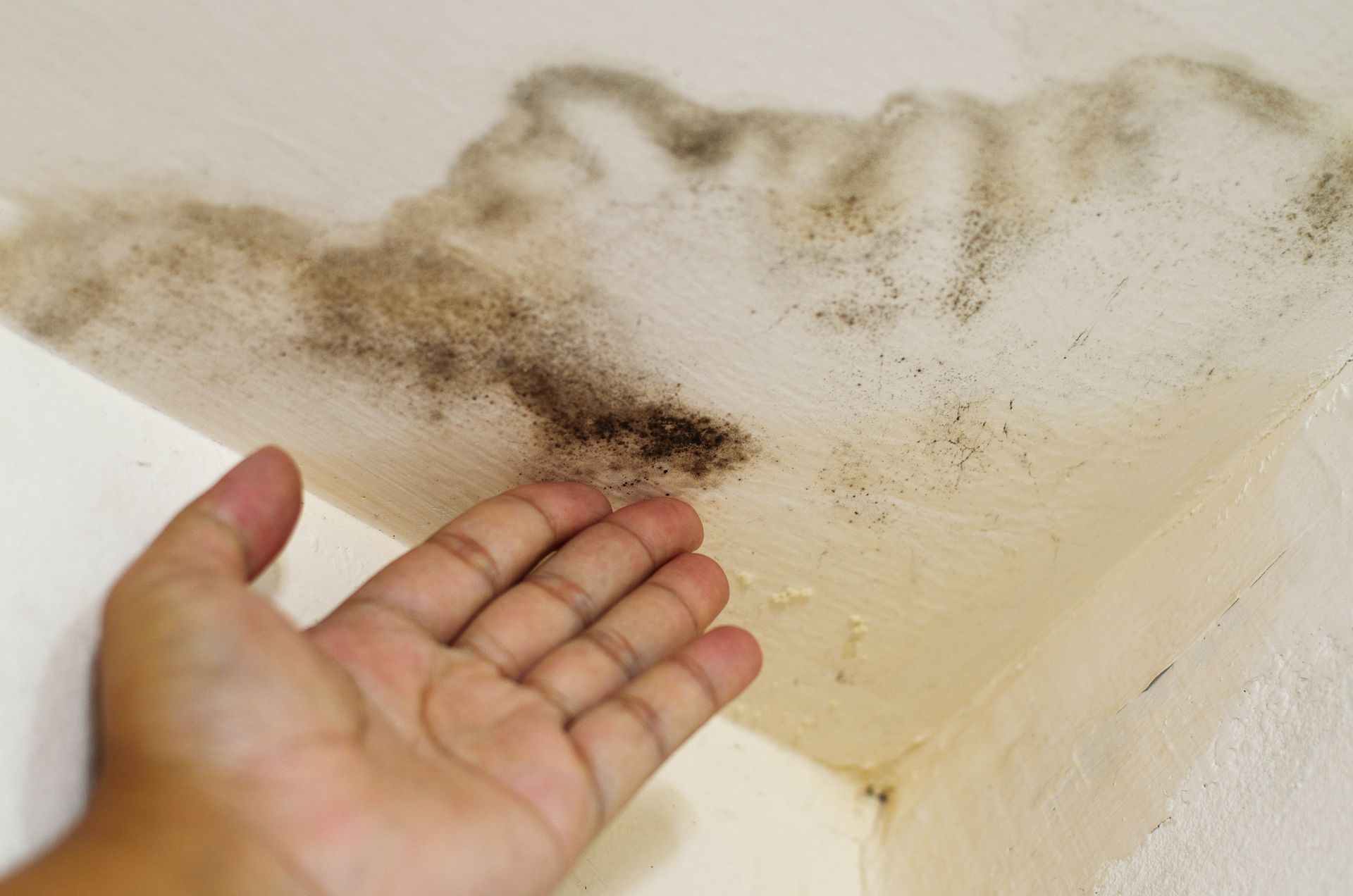
Black mold can develop when moisture remains present on materials such as drywall, wood, insulation, carpeting, or ceiling tiles. A small leak, recurring condensation, poor ventilation, or past water damage may create conditions that allow growth to continue unnoticed. Delaying an inspection can give mold more time to affect porous materials and move into nearby spaces.
Property owners often prioritize black mold remediation services because waiting may increase the amount of material that must be cleaned, treated, or removed. A contained problem may become a larger project when spores travel through air movement, shared walls, HVAC systems, or routine activity. Fast action helps professionals determine the extent of contamination and establish appropriate boundaries before work begins.
Early attention also reduces uncertainty. Instead of relying on surface cleaning or guessing about what is behind a wall, property owners can receive a clearer assessment of the affected area and contributing conditions. This information supports informed decisions about cleanup, repairs, and moisture control.
Limiting Damage to Building Materials
Mold not only affects how a room looks or smells. Continued moisture exposure can weaken drywall, stain ceilings, damage flooring, affect insulation, and contribute to deterioration in wooden components. Materials that might have been cleaned or preserved during an early response may require replacement after prolonged exposure.
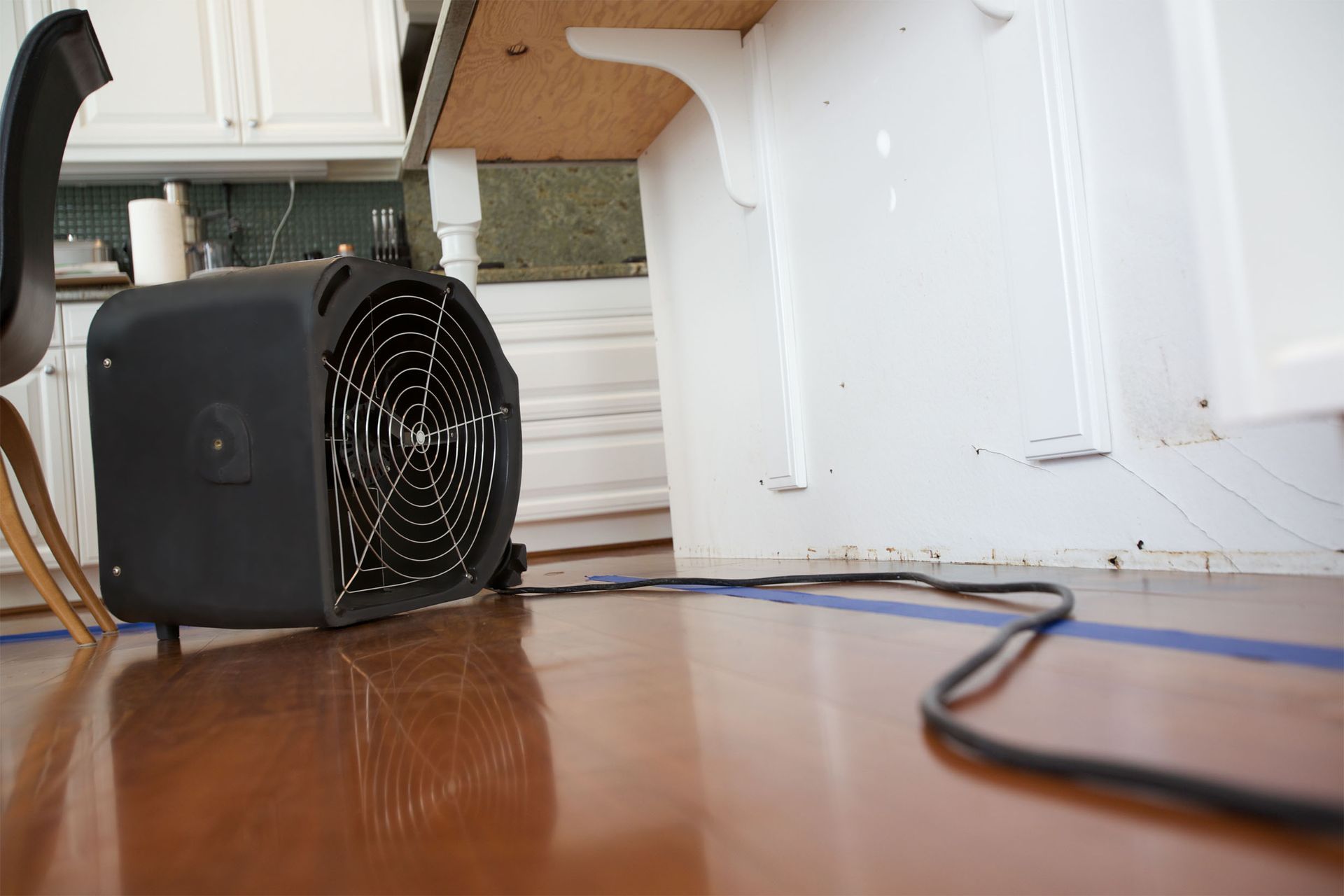
Scheduling black mold remediation services promptly can help limit the spread of damage and reduce avoidable reconstruction. Remediation professionals can isolate affected areas, remove materials that cannot be restored, clean appropriate surfaces, and use drying equipment to address lingering moisture. These steps help prevent property owners from treating only visible symptoms while hidden damage continues.
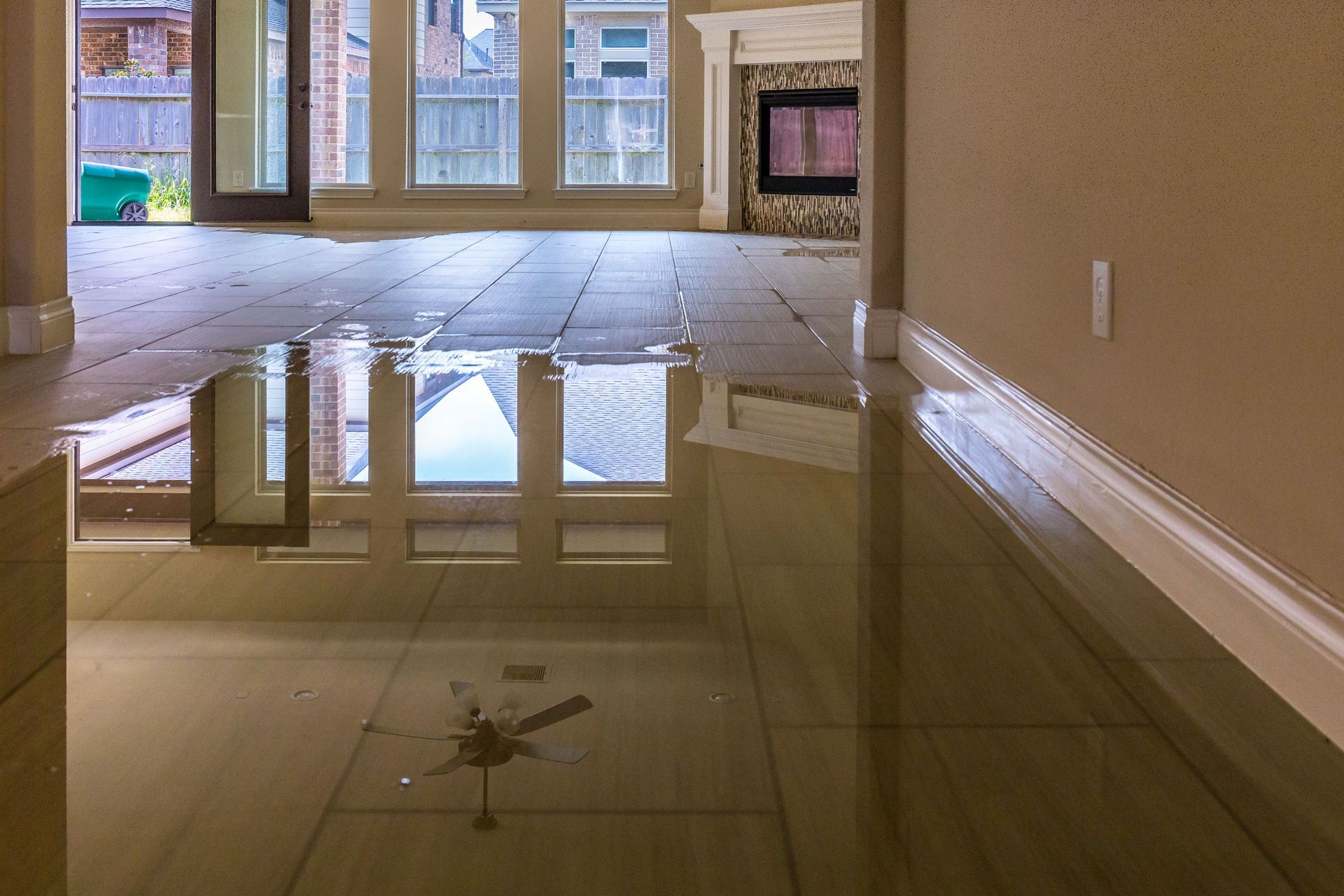
Timely service can be especially important after flooding, roof leaks, plumbing failures, appliance overflows, or sewage incidents. Even when standing water has been removed, moisture may remain trapped inside wall cavities, subfloors, cabinetry, or insulation. Addressing these areas quickly can protect structural materials and make restoration more manageable.
Protecting Indoor Environmental Conditions
Indoor mold growth can affect how comfortable people feel in a property. Musty odors, visible staining, and damp conditions may make occupants concerned about the cleanliness and safety of the space. These concerns can be significant in homes with children, older adults, or individuals sensitive to changes in indoor air quality.
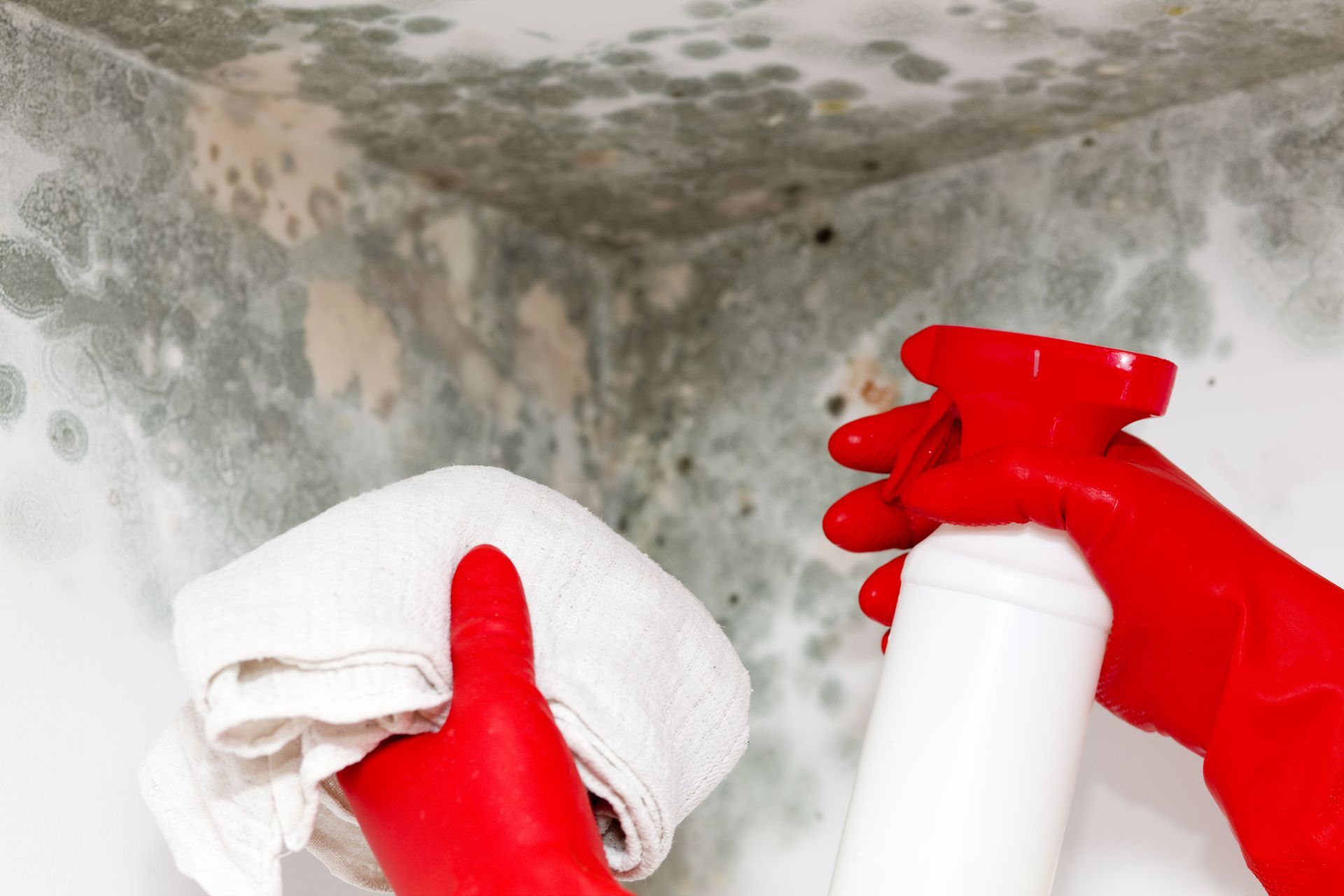
Professional black mold remediation services are designed to manage contamination carefully rather than disturb it through aggressive scrubbing or uncontrolled demolition. Technicians may use containment barriers, air filtration equipment, protective procedures, and specialized cleaning methods to reduce spore movement during the project. The approach depends on the location, size, materials, and moisture conditions involved.
A timely response can help restore confidence in the property. Residents, tenants, employees, and visitors are more likely to feel comfortable when an identified problem is addressed through a documented process. Clear communication about the work and corrective steps can reduce confusion and demonstrate that the owner is taking the situation seriously.
Addressing the Source of Moisture
Removing mold without correcting the moisture problem may provide only a temporary improvement. Mold can return when leaks, humidity, drainage issues, or ventilation problems remain unresolved. Effective remediation therefore requires attention to both the contamination and the conditions that allowed it to develop.
When property owners arrange black mold remediation services, the process often includes identifying likely moisture sources and measuring dampness in affected materials. The findings may point to a leaking pipe, damaged roof, foundation seepage, inadequate bathroom ventilation, clogged drainage system, or poorly controlled indoor humidity. Repairs can then be coordinated with remediation work.
This broader approach is one reason timely service matters. Moisture problems may continue to damage the property even when mold is not visible in every affected location. Finding and correcting the source can reduce the likelihood of repeated growth and support effective long-term maintenance.
Reducing Financial and Operational Disruption
Property owners may hesitate to schedule remediation because they are concerned about cost, access limitations, or interruptions to daily routines. However, postponing the work can create greater expenses if contamination reaches additional rooms or requires more extensive removal and reconstruction. Early intervention may help keep the project focused.
According to Grand View Research, the global mold remediation service market is projected to reach $1,516.8 million by 2030, growing at a compound annual growth rate (CAGR) of 3.0% from 2024 to 2030. This projected growth reflects continued demand for professional responses to mold-related property concerns. More owners recognize that black mold remediation services can help protect occupied spaces and long-term property investments.
For rental and commercial properties, timely action may also reduce operational complications. Mold concerns can affect tenant satisfaction, employee comfort, room availability, leasing activity, and scheduled renovations. Coordinating remediation early gives owners more control over access, communication, and restoration planning, rather than responding after the issue becomes more disruptive.
Supporting Documentation and Property Management
Professional remediation can provide useful records related to the inspection, scope of work, affected materials, cleaning procedures, and recommended repairs. Documentation may help when coordinating with contractors, property managers, tenants, insurance representatives, or future buyers. It also creates a clearer history of how the problem was handled.
Black mold remediation services can be particularly useful for owners managing multiple properties or buildings with shared systems. A consistent response process helps teams document moisture events, identify recurring problem areas, and plan preventive maintenance. Records may reveal patterns involving roof drainage, plumbing, ventilation, basement humidity, or seasonal condensation.
Good documentation does not replace regular inspections, but it can improve decision-making. Property owners can use past findings to prioritize repairs, monitor vulnerable areas, and respond faster when similar warning signs appear. This organized approach supports better communication and reduces the chance that important details will be overlooked.
Choosing a Timely and Thorough Response
Property owners should take suspected mold growth seriously without assuming that every dark spot confirms a major contamination problem. A professional assessment can help determine what is present, how far it extends, and what type of response is appropriate. The goal is to avoid both unnecessary alarm and careless delay.
Timely black mold remediation services provide a structured path from inspection through containment, removal, cleaning, drying, and restoration planning. Property owners should look for clear explanations of the proposed work, methods used to control contamination, and steps needed to prevent recurrence. They should also address leaks or humidity concerns as part of the overall project rather than treating remediation as an isolated task.
Prioritizing a prompt response can protect materials, reduce disruption, improve indoor conditions, and support responsible property management. When owners act at the first sign of persistent moisture, musty odors, or visible growth, they are better positioned to limit damage and restore the space efficiently. Call REDi Construction & Restoration today to schedule your mold remediation service.